“I had frequent epileptic seizures, panic attacks, brain fog, body aches, hormonal imbalance, and several other systematic issues,” says Hely Kansara, a psychologist, sharing her experience with emotional distress in early adulthood.
Kansara identifies a dysfunctional school environment, compassion fatigue at work, and family separation as some of the causes of her emotional distress.
“It stole several years of my adolescence,” she adds.
Emotional distress is a significant issue affecting millions around the world. Nearly 50 million Indian children suffer from mental disorders while 48.2% of the older adults living at home present severe psychological problems.
The reasons for emotional distress are numerous, which is why it’s important to understand its causes, signs, and risks for both adults and children.
Through this article, we’ll explore the signs of emotional distress and risk factors and touch base with ways to manage it.
However, before we proceed, let’s differentiate between emotional distress and normal stress.
Difference between normal stress and emotional distress
When you lack the resources to manage day-to-day stress, it can escalate into emotional distress.
You have a work presentation due by the end of the week. You may feel stressed out and nervous. However, you’re still able to focus and get it done. The stress is temporary and manageable.
Normal stress isn’t inherently bad as it pushes you to get things done.
A positive event such as a wedding sure makes you stressed, but it doesn’t leave you drained and anxious. Emotional distress, however, does.
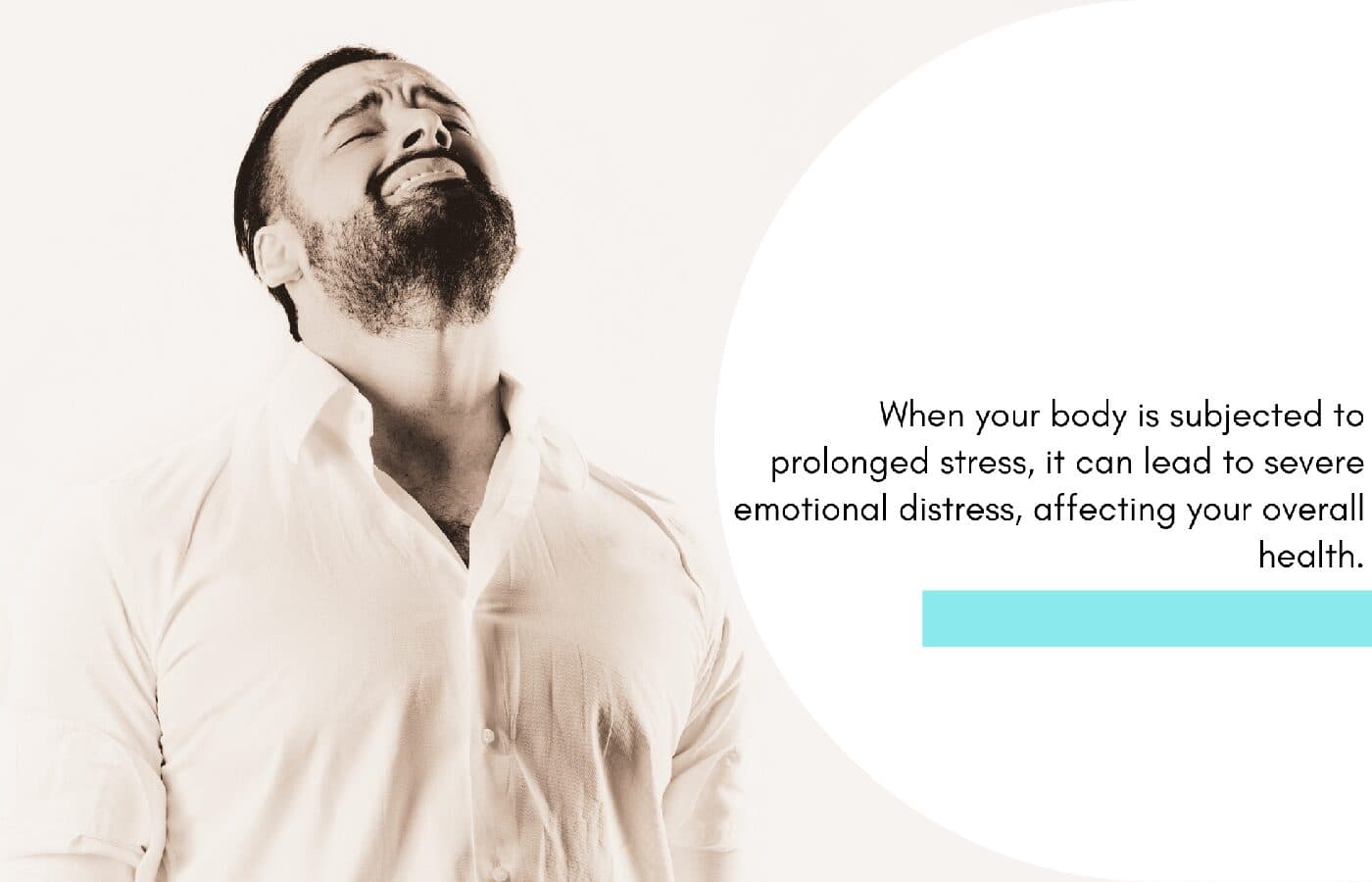
Now, imagine you’ve been unemployed for months or you recently lost a loved one to an accident. Such events leave a lasting impact on your mind. The stress from unemployment might persist until you find a job, creating prolonged emotional distress. In contrast, the sudden loss of a loved one causes intense, acute emotional distress. When your body is subjected to prolonged stress, it can lead to severe emotional distress, affecting your overall health.
But how can you know if you’re experiencing emotional distress?
Recognize these warning signs early on
Emotional distress can manifest in several cognitive and behavioral symptoms.
Some common warning signs in adults and children include:
- Feeling too anxious or depressed
- Sudden crying spells or bursts of anger
- Difficulty eating or overeating
- Losing interest in hobbies and daily activities
- Feeling guilty, helpless, or hopeless
- Withdrawing from family and friends
However, the symptoms aren’t limited to behavioral and cognitive changes alone.
Symptoms may also manifest physically
Reports of panic attacks and other physical symptoms aren’t unique to Kansara.
A copywriter from Ahmedabad talks about feeling restless all the time.
“I had breathing issues, vomiting sensations, constant headache, and bad gut health throughout the phase,” she says.
“PCOD fatigue didn’t help!”
Moving to a calmer environment and seeking professional guidance helped her manage these symptoms better. A few other symptoms include:
- Sudden weight gain or weight loss
- Sweaty palms
- Eating less or more
- Oversleeping or undersleeping
- Stomach pain or constant fatigue
- Dry mouth
- Shaking
- Chest pains and general aches
While some of these symptoms are seen in children, they may also show additional signs.
Particular warning signs in children
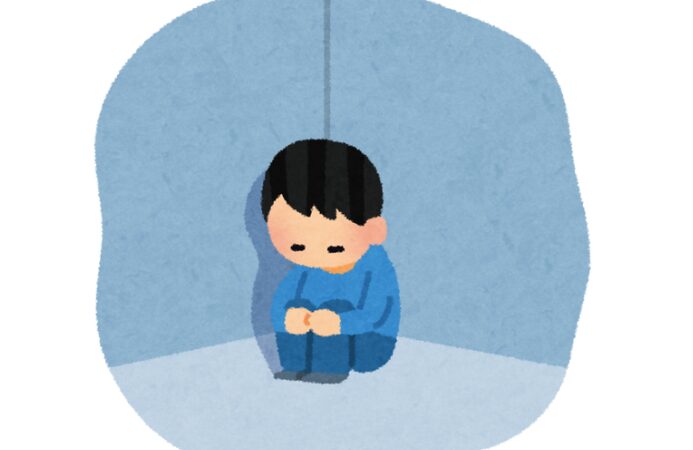
- Withdrawn or too quiet
- Showing excessive concern for others
- Defiant of authority
- Intense feelings of guilt and shame
- Self-destructive behaviors
- Impulsive or aggressive
Recognize these signs of emotional distress in children.
Also, during crises, children observe adults’ behaviors for cues on ways to manage their own. So if you’re a caretaker, be mindful of your responses in challenging times as they can influence the child’s ability to cope.
But what causes emotional distress in the first place?
Causes of emotional distress
On a global level, the pandemic period was characterized by an initial increase in distress in 2020, followed by recovery in 2021. However, prolonged everyday stresses are equally responsible for making you emotionally distressed.
A few common causes include:
- Witnessing a traumatic event, such as a loved one’s death, sudden cancer diagnosis, accident, etc.
- Living as a neurodivergent individual
- Financial crunch
- Toxicity at the workplace or home
- Dealing with demanding bosses, family members, or friends
- Experiencing oppression or discrimination in any sphere of life
- Mental disorders
- Stressful life events
- Conflicts with loved ones
A journalist from Mumbai highlights family pressure as a primary cause of his distress.
“My family’s perception of me as inadequate, especially in academics, reinforced these negative feelings. The constant self-pity inflicted by them disrupted my self-image at an early age.”
Most of the causes mentioned in this article are beyond our control. And these causes affect each one differently. Some people are prone to be more highly affected than others.
Risk factors for emotional distress
While emotional distress isn’t dependent on a person’s age, income, gender, or complexion, certain factors make some people more susceptible. These include:
- A history of mental illness
- Family history of mental disorders
- Childhood abuse, neglect, or dysfunctional family environment
- Personality traits such as perfectionism, low self-esteem, or neurodivergence
- Financial crunch or prolonged relationship issues
- Lack of social support
Understanding these risk factors can help manage emotional distress more effectively.
Ways to manage emotional distress
Hely Kansara shares practices that help manage compassion fatigue at work.

- Mindful nutrition: taking care of my food and nutrition
- Physical movement: having a certain amount of physical movement even with a desk job
- Rest: getting enough rest
- Allowing downtime: doing nothing on some days and simply being
- Social connections: socializing with loved ones
- Decluttering: decluttering from time to time
- Hobbies and joyful activities: indulging in things that bring joy
“It’s important for you to disengage from people/places/environment that cause you chronic distress. You need to bring yourself to a neutral ground (if not nurturing) to commence healing,” she adds.
Along with these tips, seeking professional help is imperative. Find a therapist that suits your needs and take the first step toward healing.
Take note of how your body responds
In some environments, you may need to pay attention to chest constriction or increased heart palpitations when receiving that stressful call.
Take note of how your body responds to specific people and settings as those signs are your cue to take steps for your well-being. This could involve scheduling an appointment with a therapist or setting boundaries with those causing you distress.