Over four in five Indians living with mental health conditions are still not getting the care they need, even as awareness campaigns, helplines, and policies multiply across the country. India's mental health system faces an 80-85% treatment shortfall, as the Indian Psychiatric Society (IPS) rallies for NIMHANS-inspired hubs nationwide in the lead-up to the 77th Annual National Conference of the IPS (ANCIPS) 2026.
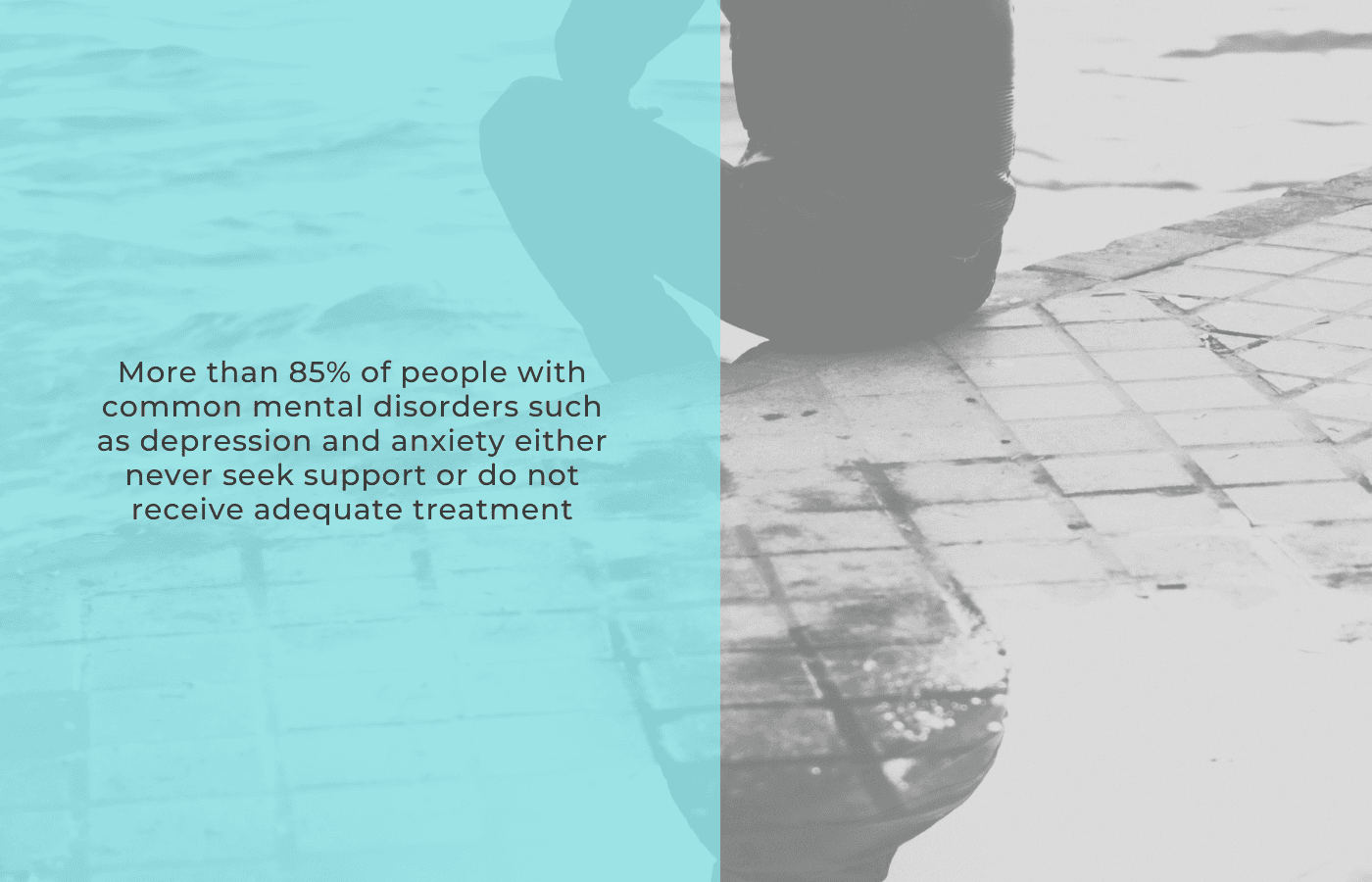
The IPS highlighted data from the National Mental Health Survey showing that more than 85% of people with common mental disorders such as depression and anxiety either never seek support or do not receive adequate treatment, placing India among the countries with the widest treatment gaps.
The treatment gap is particularly stark for vulnerable groups: IPS experts estimate that about 80% of children and adolescents with mental health conditions, and around 84% of older adults with psychiatric disorders, remain untreated. There are multiple barriers to obtaining treatment. Families struggle to recognize psychological symptoms as medical issues, many districts have very few psychiatrists or clinical psychologists, and those who do seek help often encounter long waits, high out‑of‑pocket costs, or fragmented services.
"When psychiatric care is delayed, illnesses often become severe and chronic, leading to greater disability, family distress, loss of productivity and a significantly increased risk of self-harm and suicide," says Dr Nimesh G Desai, chairperson of the organizing committee of ANCIPS 2026 and former director of the Institute of Human Behaviour & Allied Sciences (IHBAS).
What can be done
The society's January warnings underscore urgent needs for awareness, trained staff, and services, spotlighting Bengaluru's NIMHANS as the gold standard. IPS leaders acknowledged positive steps such as the Tele‑MANAS national mental health helpline and the expansion of the District Mental Health Programme, but stressed that these initiatives remain far from meeting actual need on the ground. Measures like integrating mental health into every level of primary healthcare, expanding and better distributing the mental health workforce, increasing public funding, and running sustained nationwide campaigns to challenge stigma and normalize help‑seeking are the need of the hour.
ANCIPS 2026 is the flagship annual gathering where psychiatrists, psychologists, researchers, students, allied professionals, and mental-health advocates from across India and abroad come together for scientific sessions, workshops, paper and poster presentations, panel discussions, and networking opportunities.
The conference runs from January 28-31 at Yashobhoomi, Dwarka, New Delhi, under the theme "Unshackling Psychiatry for Society’s Mental Health."