“Oh, I don’t think I’ll be able to do this”
“I am not enough…”
“Why don’t I look as good as my friends?”
Do you find these statements relatable?
We get it. It’s not uncommon for most of us to keep a running dialogue, like this inside our heads.
This is what self-talk is.
It refers to narration inside your head, sometimes called inner speech. It is what you tell or tend to think about yourself based on your experiences, beliefs or biases.
Why does what we talk to ourselves even matter?
Well, you may or may not have spent time thinking about it but your inner speech significantly influences how you perceive and navigate life.
This inner speech acts as your “mental attitude,” shaping beliefs and responses to challenges.
Self-talk can be positive or negative – the kind of self-talk you indulge in says a lot about how you’re likely to respond when life throws curveballs at you.
Positive self-talk

Positive self-talk involves affirming beliefs in one’s capabilities despite difficulties.
For example, if you make a mistake and instead of feeling down you tell yourself “ I choose to learn from my mistakes, not be held back by them”.
That’s what positive self-talk looks like in action.
Negative self-talk
Negative self-talk is the opposite, where challenges may lead to thoughts of giving up or feeling inadequate.
For example, if you often tell yourself, “I’m not enough” or “I’m a failure” or “I can’t do anything right “, that’s a sign of negative self-talk. (But remember, you are enough!)
Is self-talk really impactful?
Well, yes, the impact is quite deep.
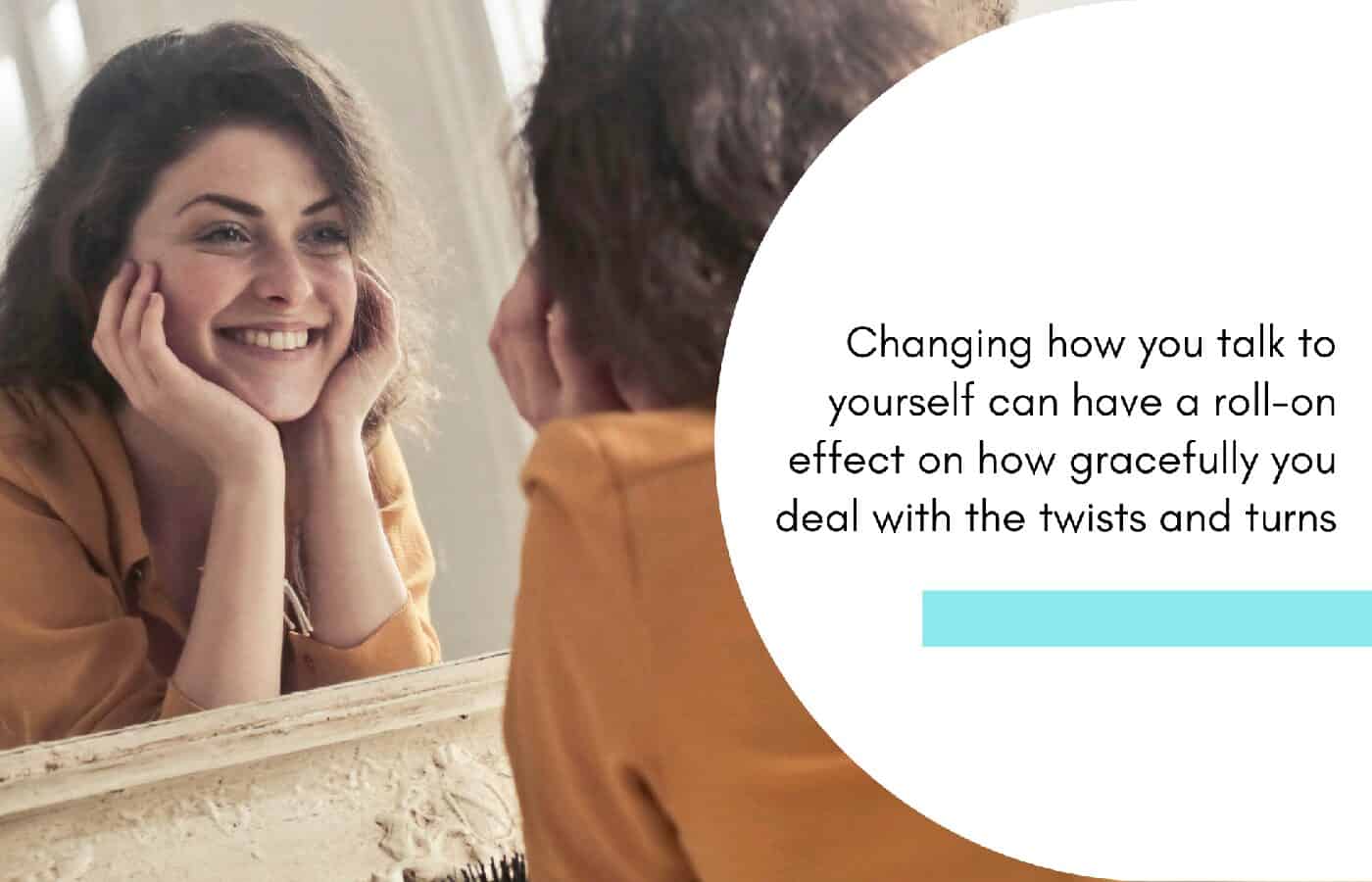
Changing how you talk to yourself can have a roll-on effect on how gracefully you deal with the twists and turns.
In a 2013 study, scientists asked patients with anorexia nervosa to pass through a doorway that became increasingly narrower. Surprisingly, those with the disorder turned around when the doorway was just 40% wider than their shoulders. Negative self-talk convinced them they were larger than they actually were.
In 2007, Kendall and Treadwell explored how self-talk affects anxiety. They investigated self-talk as a predictor for anxiety in children with and without a diagnosis of an anxiety disorder. For children with anxiety disorders, curbing negative self-talk remarkably improved their condition.
A 2019 study found that students who engaged in positive self-talk or affirmations before delivering a speech or a presentation faced much less anxiety than those who did not.
A 2020 Iranian study suggested that self-talk also affected how people coped with anxiety during COVID-19. People who indulged in positive self-talk had lesser death anxiety and obsessive compulsive disorder.
Remarkable, isn’t it?
How does positive self-talk help?
Just switching from “This is too hard, I can’t do this” to “I can do this” mindset can make a world of difference in how you see yourself, the situations, and the world around.
Here are additional ways positive self-talk can enhance your daily life:
- Improve self-esteem, resilience and confidence
- Reduce anxiety, depression and personality disorders
- Reduce risk of self-harm or suicides
- Cultivate a more optimistic life outlook
- Keep you calm and relaxed
- Help in building better relationships and keeps insecurity at bay
Identifying negative thought patterns
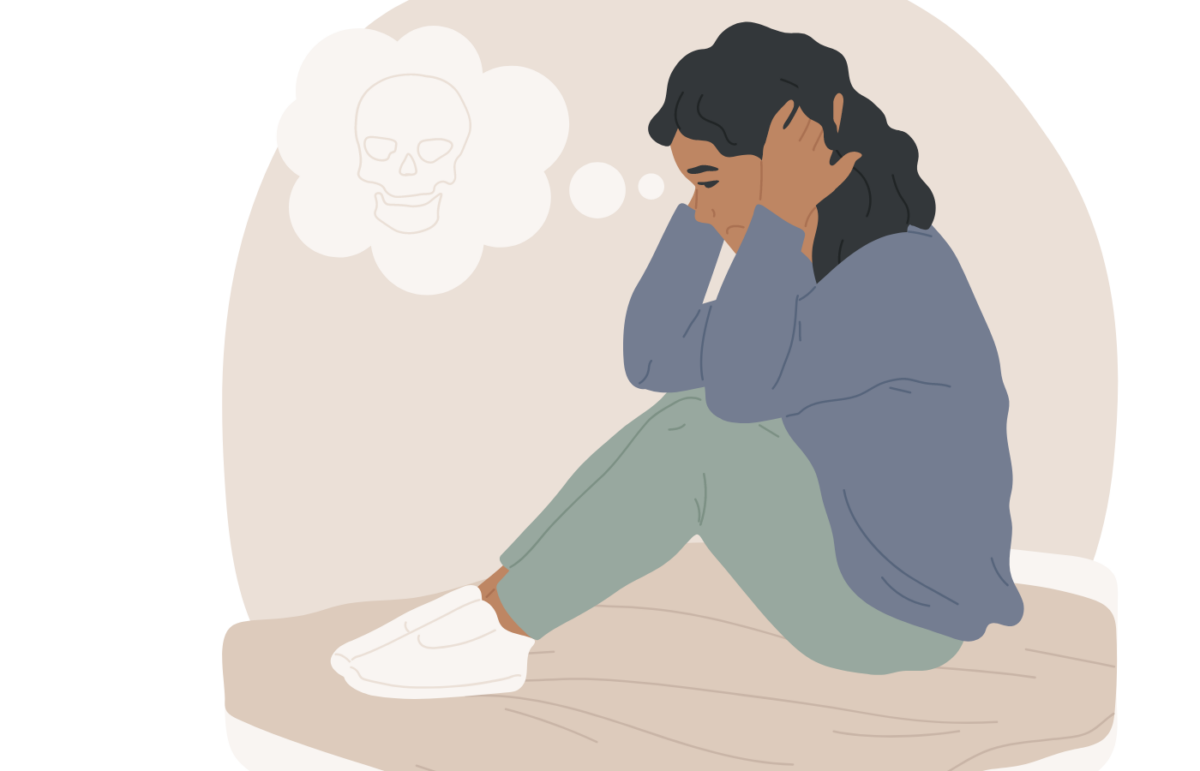
Negative self-talk or the inner critic isn’t the same for everyone. It manifests differently in different people.
So, even before you start working on your negative thought patterns, it is important to identify what kind of negative self-talk you engage in.
Negative self-talk can be broadly categorized into the following:
- Catastrophizing
“It’s a disaster”
This means you always expect the worst. Even if it means cooking up scenes in your head.
- Personalizing
“It’s all my fault”
No matter what goes wrong in which corner of the world, you tend to shoulder blame, holding yourself accountable when things go wrong.
- Over-generationalization
“I’m a failure”
Just one setback and you generalize your failure as eternal, overlooking the potential for change and second chances.
- Polarizing
“I’m not perfect at this and I’m a total failure”
You see life in just black and white- either you’re nailing it or you’re a total flop. This gives you roller coasters that are hard to exit.
You might identify with one or more of these categories, or there could be another pattern that resonates with you.
The key is understanding these patterns to shift towards more positive frames.
Of course, this won’t happen overnight.
But, changing these negative thought patterns require consistent effort and yes, patience too.
How can you change negative thought patterns
Wondering how to break free from negative thought patterns?
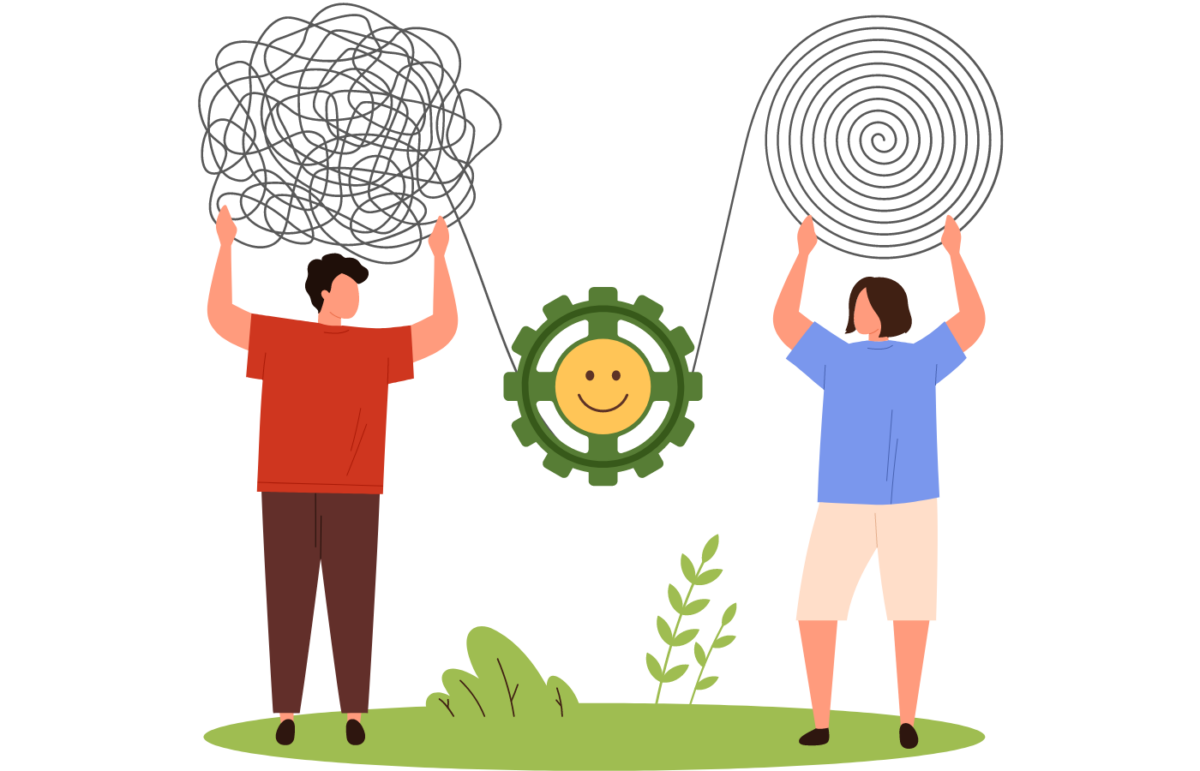
Here are some effective tips:
- Talk it out
When you’re brimming with negative thoughts, it can feel heavy in your heart.
Putting your feelings into words can help repress the negative thoughts and lighten your load.
Ever experienced the therapeutic effect of sharing your feelings with a friend?
- Practice gratitude
We’re often hardwired to focus on the negatives and even amplify them.
But the more you focus on the positives, the more you will appreciate the little things in life. Keeping a stock of good things can always lift you out of the negative spiral.
So, before going to bed, write down three things you’re grateful for. When things go downhill, just visit those pages and see the magic happening!
- Get out, move your body
When you’re feeling down, get out of bed and engage in some form of exercise, whether it’s yoga or any activity that gets your body moving.
This releases feel-good hormones, turning your mood around.
It doesn’t have to be a marathon; even something as simple as dancing in your living room to your favourite tunes can make a difference.
- Start journaling
Journaling is therapeutic. It’s a way to externalise what’s going in your head and you’ll even find solutions you hadn’t considered.
Just like talking to a friend de-stresses you, writing down your thoughts and feelings can also help in regulating emotions better.
- Self-care
Even though social media has glamorised hustle culture a lot, you don’t have to take it all.
Allow yourself the time to let things settle in your mind, absorbing the beauty around you. Engage in activities you love, whether it’s basking in the sun or spending time in nature.
When you prioritize your happiness, a content mind tends to foster positive and uplifting thoughts.
- Practice mindfulness
Mindfulness sets out to change your relationship with your thoughts. It helps you become more conscious of your thoughts and build greater self-awareness.
The key is to be present in the moment, allowing things to sink in and pulling yourself out of the downward spiral.
Take a moment to focus on your breath, feel your heartbeat, and fully absorb the present experience.
- Limit your exposure to negative input
Recognise the common triggers that often lead you to a downward negative spiral and work on them strategically.
For example, if you feel scrolling social media prompts comparison or gives you a feeling of inadequacy, take a pause.
Guard your mental space from influences that don’t make you feel good about yourself, be it people, social media or a certain work culture.
These are some of the things you can try to change your negative thought patterns and build resilience.
Remember, the line between failure and success can come down to something as simple as self-talk. So,make sure you give yourself the most uplifting dialogue.
In the words of Oprah Winfrey (who credits her success to her positive outlook on life), “Create the highest, grandest vision possible for your life because you become what you believe”.
So, don’t ever let your negative thoughts hijack you.
You’re way stronger than you think. You’ve got this!