Let’s talk about something that affects a lot of us – anxiety. It’s not something that’s ‘in your head’. Anxiety can actually impact your physical health, especially your heart.
First off, if you’re dealing with anxiety, you’re not alone. Millions of people worldwide experience it, and it’s nothing to be ashamed of.
Let’s explore how anxiety affects your heart, how to recognize the signs, and most importantly, what you can do to manage your anxiety and protect your heart health.
The science behind anxiety and heart health
When you’re anxious, your body goes into that “fight or flight” mode. It’s like your body’s alarm system – useful in emergencies, but not so great when it’s constantly going off. Here’s what happens:
1. Your heart starts racing: It’s trying to pump more blood to your muscles, preparing you to run or fight.
2. Your blood pressure rises: This is to help get that extra blood flowing quickly.
3. Stress hormones flood your system: Adrenaline and cortisol surge through your body.
Now, imagine this happening frequently. Over time, it can really wear on your cardiovascular system. It’s like constantly revving a car engine – eventually, it’s going to cause some wear and tear.
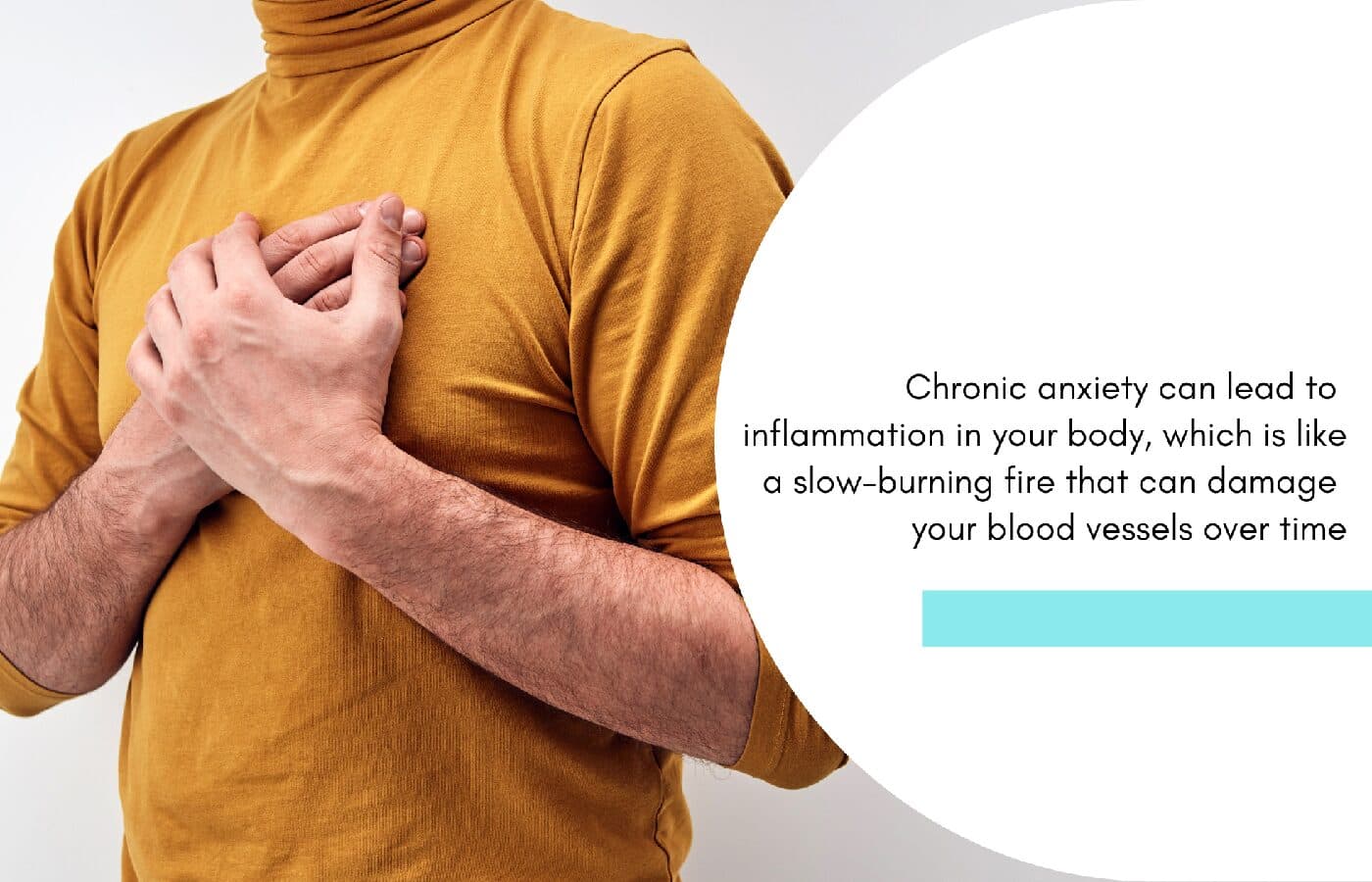
But it’s not just the immediate physical response that’s concerning. Chronic anxiety can lead to inflammation in your body, which is like a slow-burning fire that can damage your blood vessels over time. It can also mess with your sleep, your eating habits, and even how much you exercise – all things that are crucial for maintaining a healthy heart.
Understanding this connection doesn’t mean you should panic about your anxiety (that would be counterproductive, right?). Instead, it’s about recognizing that taking care of your mental health is an important part of taking care of your heart.
How to recognize anxiety
Anxiety can be sneaky. Sometimes it’s obvious – like when you’re lying awake at night worrying about everything under the sun.
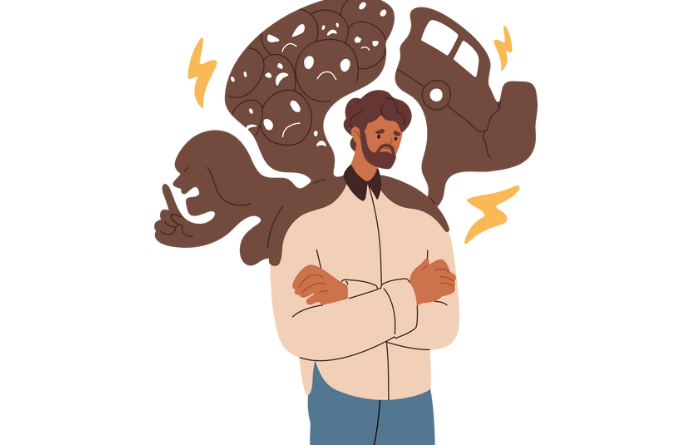
But other times, it might not be so clear. Here are some signs to watch out for:
- Constant worrying that you can’t shake off
- Feeling restless or on edge all the time
- Trouble sleeping or staying asleep
- Physical symptoms like a racing heart, sweating, or shortness of breath
- Avoiding certain situations because they make you anxious
- Difficulty concentrating or your mind going blank
The fact is, sometimes anxiety can masquerade as heart problems. You might experience chest pain or palpitations and think, “Oh no, something’s wrong with my heart!” When in reality, it could be anxiety playing tricks on you. Of course, always get checked out by a doctor if you’re experiencing these symptoms, but don’t be surprised if they tell you it’s anxiety-related.
Anxiety’s long-term impact on your heart
It’s important to understand that chronic anxiety can increase your risk of developing heart issues down the line. Here’s how:
- High blood pressure: Those frequent spikes in blood pressure can lead to chronic hypertension which is indicated by symptoms like heart palpitations.
- Unhealthy coping mechanisms: You might find yourself turning to smoking, overeating, or drinking too much alcohol to cope with anxiety. None of these are good for your heart.
- Increased inflammation: Remember that slow-burning fire we talked about? It can contribute to the build-up of plaque in your arteries.
- Disrupted sleep: Poor sleep is linked to a higher risk of heart disease.
- Less physical activity: When you’re anxious, you might not feel like exercising, but regular physical activity is crucial for heart health.
The good news? Being aware of these risks means you can take steps to mitigate them.
Managing anxiety and protecting your heart
So what can you really do to manage your anxiety and ensure good heart health?
Start small. They can make a big difference over time.
Seek professional help
If you’re really struggling with anxiety, don’t hesitate to reach out to a therapist or counselor. They’re like personal trainers for your mind and can provide you with tools and strategies to cope with anxiety. Cognitive-behavioral therapy (CBT) can be particularly effective for anxiety disorders.
Practice relaxation techniques
Find what works for you. Maybe it’s deep breathing exercises, meditation, or yoga. Mindfulness apps can also help. Devoting just a few minutes a day can make a difference. It’s like giving your mind and heart a mini-vacation.
Get moving

Exercise is a superhero when it comes to fighting anxiety and protecting your heart. Find an activity you enjoy – it could be anything from jogging to dancing in your living room or yoga for heart health. Aim for about 150 minutes of moderate exercise per week.
Watch what you eat (and drink)
Eating lots of fruits, veggies, and whole grains isn’t just good for your waistline – it can also help stabilize your mood. Omega-3 fatty acids (found in fish like salmon) may help reduce anxiety. And while it might be tempting to reach for that extra cup of coffee or glass of wine when you’re feeling anxious, try to limit caffeine and alcohol. They can actually make anxiety worse.
Prioritize sleep
It can be hard to sleep when your mind is racing, but try to establish a regular sleep routine. Maybe read a book or listen to some calming music before bed instead of scrolling through your phone. Your heart (and mind) will thank you for those extra Z’s.
Stay connected
Don’t isolate yourself. Reach out to friends and family, or consider joining a support group. Sometimes just talking about your anxiety can make it feel more manageable. Social connections are proven to be beneficial for overall health.
Monitoring your heart health
If you’re concerned about your heart health, don’t hesitate to check in with your doctor. They can help you keep track of important numbers like your blood pressure, cholesterol levels and the heart’s electrical activity through an ECG (full form electrocardiogram). Regular check-ups can catch any potential issues early, giving you peace of mind.
Remember, taking care of your mental health is just as important as taking care of your physical health. By managing your anxiety, you’re not only improving your quality of life, but you’re also giving your heart a break.
Be kind to yourself, and take it one day at a time. You’ve got this!