
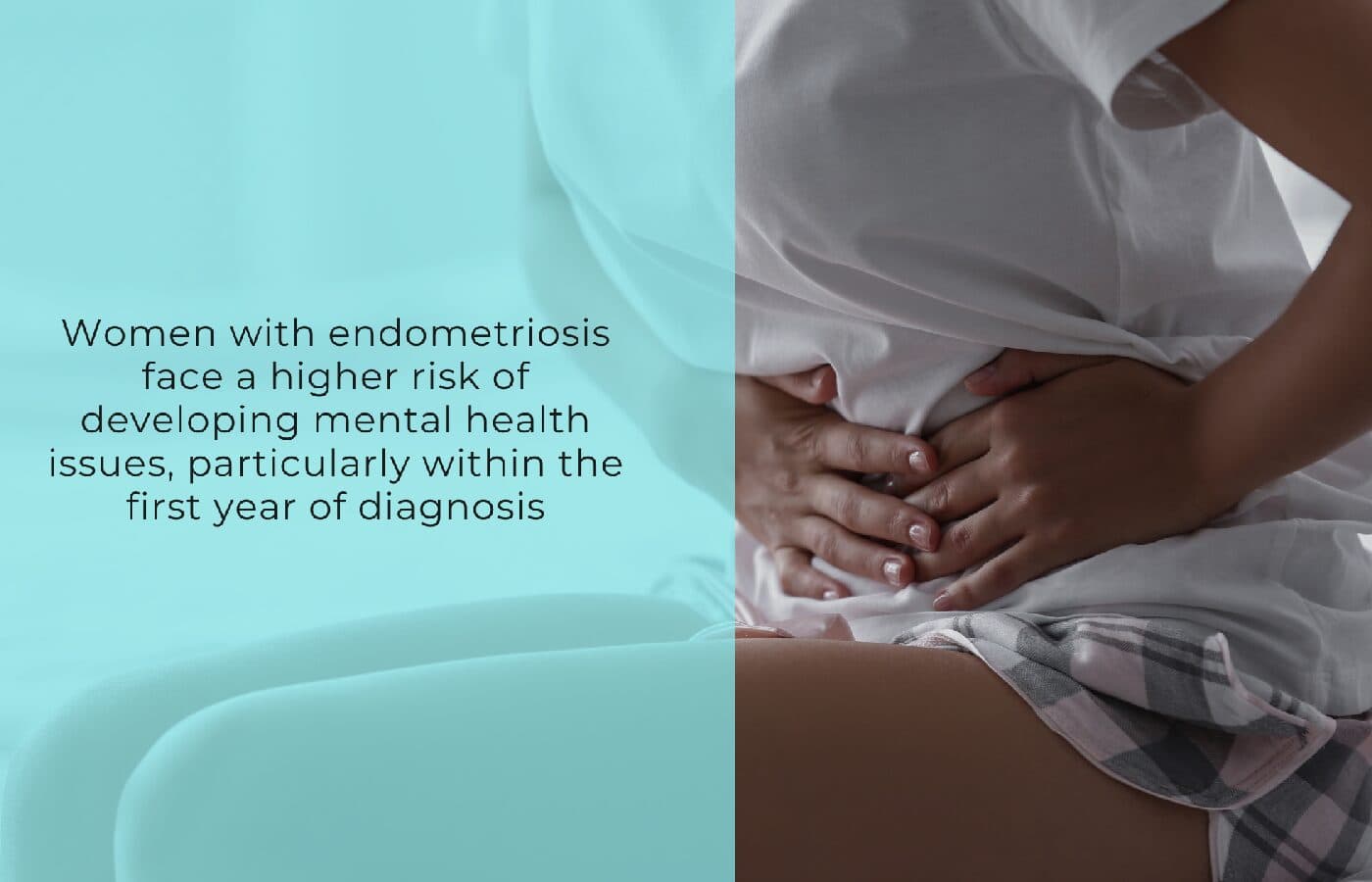
A recent study in the American Journal of Obstetrics and Gynecology has identified a significant connection between endometriosis and mental health disorders.
Conducted by researchers from the University of Toronto, this extensive cohort study indicates that women with endometriosis face a higher risk of developing mental health issues, particularly within the first year of diagnosis.

Endometriosis, affecting millions globally, is known for causing severe pelvic pain and infertility. However, its impact on mental health has been underexplored until now.
Key findings
- Increased mental health risk: Women with endometriosis have a higher likelihood of developing mental health conditions, especially during the initial year following diagnosis.
- Study sample: The study analyzed over 107,000 women, comparing those with (33.33%) to a control group (66.67%) without the condition.
- Mental health incidence: There was a marked increase in the incidence of mental health issues among women with endometriosis.
- Severe conditions: A higher proportion of women with endometriosis required hospital visits for severe mental health conditions compared to those without the condition.
The study emphasizes the necessity for early mental health screenings and holistic treatment approaches for women diagnosed with endometriosis. It advocates for integrating mental health care into the standard management plan for this chronic condition.
Implications for healthcare
Proactive mental health screening: Implementing early mental health screenings for women diagnosed with endometriosis can facilitate timely support and intervention.
Comprehensive care: Addressing both physical and mental health aspects is crucial for effectively managing endometriosis.
Additional insights
Previous studies have also suggested a link between chronic pain conditions and mental health disorders. For example, a systematic review found that endometriosis is associated with depressive and anxiety symptoms. Ribeiro et al. (25) reported that 77.1% of patients exhibited anxiety and depression simultaneously, indicating a high rate of comorbidity in women with endometriosis.
This groundbreaking research underscores the profound impact of endometriosis on mental health, calling for integrated care approaches to improve the quality of life for affected women. Future research should focus on specific mental health interventions to support women with endometriosis effectively.


