In a groundbreaking development, researchers at Cedars-Sinai have introduced a first-of-its-kind therapy platform that combines immersive virtual reality (VR) and generative artificial intelligence (AI) to support mental health.
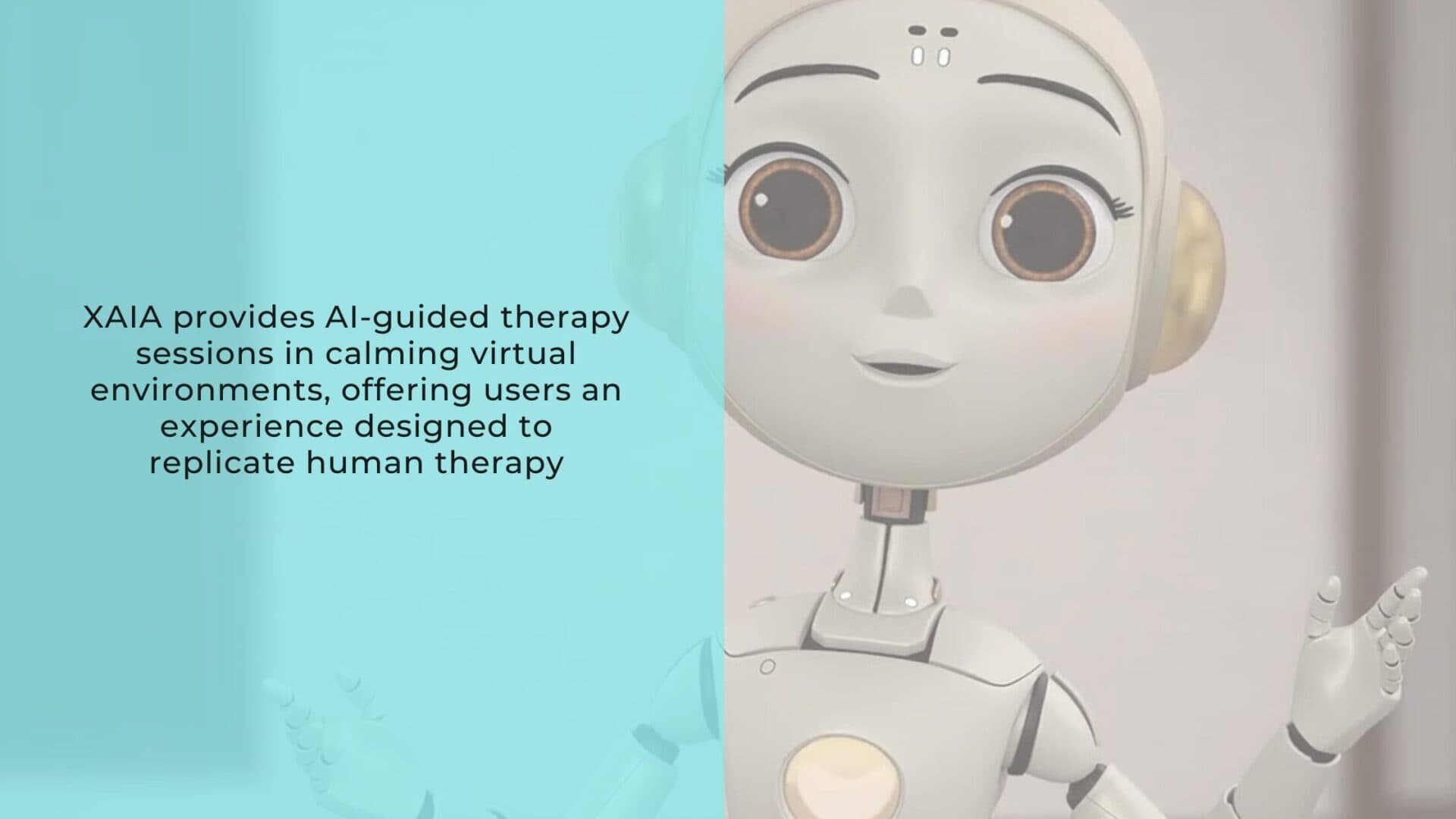
The platform, named after the robot Xaia, which stands for eXtended-Reality Artificially Intelligent Ally, provides AI-guided therapy sessions in calming virtual environments, offering users an experience designed to replicate human therapy.
Developed under the expertise of psychiatrist Omer Liran, MD, and clinical psychologist Robert Chernoff, PhD, Xaia was trained using expert mock therapy sessions. These interactions were transcribed and analyzed to establish over 70 best practices for mental health therapy. The result?
As per the Cedars-Sinai study Xaia is both effective and safe.
“After teaching Xaia these skills, she offered therapy in a more empathetic, compassionate, and meaningful way,” said Chernoff. “She handled a range of situations very well and did not show evidence of safety concerns during our testing.”
In the study, 14 participants with mild to moderate anxiety or depression engaged in 30-minute Xaia sessions and provided feedback. Many found the AI-driven therapist warm and understanding, openly expressing deep emotions. One participant shared feelings of failure and loneliness, finding comfort in Xaia’s reassuring response. Another discussed struggles with self-worth and rejection, with Xaia offering thoughtful guidance that encouraged self-reflection.
Participants highlighted advantages over traditional therapy, with all stating they would recommend Xaia to others, though some still preferred human therapists.
With mental health disorders on the rise and a shortage of psychotherapists in the US, especially in lower-income and rural areas, the author of the study said Xaia was designed to bridge the accessibility gap.
“While this technology is not intended to replace psychologists, but rather augment them, we created Xaia with access in mind, ensuring the technology can provide meaningful mental health support across communities,” explained lead researcher Brennan Spiegel, MD, MSHS.
The success of Xaia suggests that AI-powered therapy could play a vital role in the future of mental healthcare. While human therapists remain irreplaceable, AI and VR technologies present promising solutions for expanding mental health support safely, effectively, and at scale.
Header image courtesy: Xaia Health