“Mom, Dad, tell me a story.” It’s a request you’ve probably heard countless times. You might think that storytelling, an art as old as humanity itself, has lost some charm in our modern digital world. With YouTube, social media, streaming platforms, and many screens constantly competing for our kids’ attention, do intergenerational stories still matter?
The answer is a resounding yes—perhaps more than ever.
The magic behind stories: why kids still need them
Our minds often drift toward cozy bedtimes, storybooks, and fairy tales when we think of stories. But storytelling goes beyond entertainment. It’s the heart and soul of connection, learning, and empathy—essential traits that digital interactions alone can’t fully nurture.
Imagine this: your child, engrossed in an engaging story, eyes wide, imagination on fire. They’re not just hearing words; they’re experiencing adventures, learning lessons, and building emotional intelligence. No tablet app or flashy video can replicate the depth of connection forged when you sit down and share a meaningful narrative.
Boosts emotional intelligence and empathy
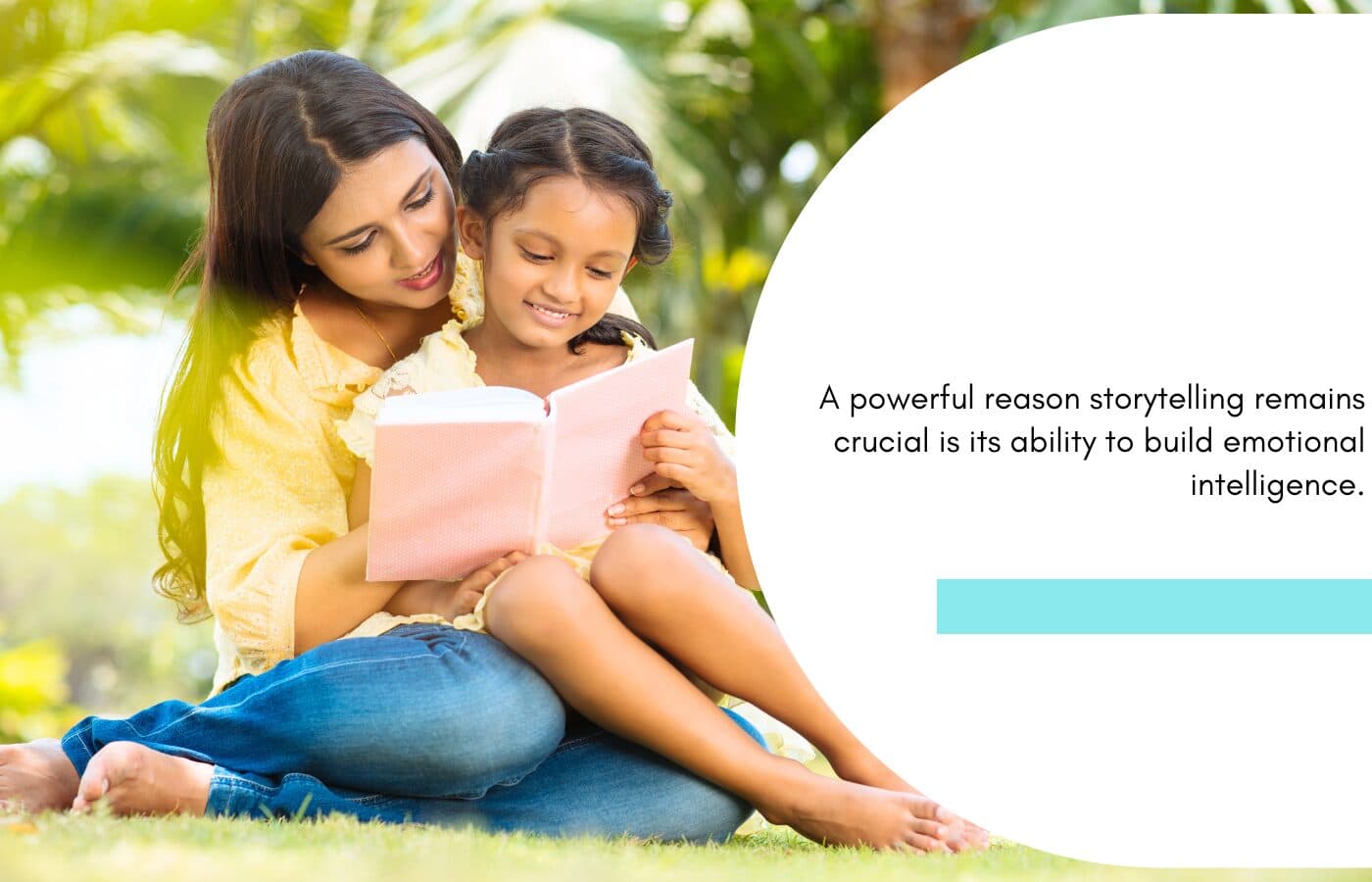
A powerful reason storytelling remains crucial is its ability to build emotional intelligence.
Children listen to stories and are exposed to diverse situations, feelings, and characters. They explore how characters face struggles, express emotions, resolve conflicts, and grow. These fictional journeys help children develop empathy.
Think about classic stories like Feluda’s Adventures or stories from the epics of Ramayana and Mahabharata. These narratives dive deep into friendship, loss, courage, and kindness.
When your child identifies with characters—feeling their joys and heartbreaks—they internalize lessons on compassion and resilience.
Would your child learn empathy by playing video games or scrolling endlessly on TikTok? Perhaps not.
Foster creativity and imagination
Stories aren’t just passive entertainment. They’re fuel for your child’s creativity. Every tale you share with your child becomes an invitation to imagine, explore, and question the world around them. Unlike watching a video or playing a predetermined game, storytelling actively engages your child’s imagination, encouraging them to visualize and create mental images independently.
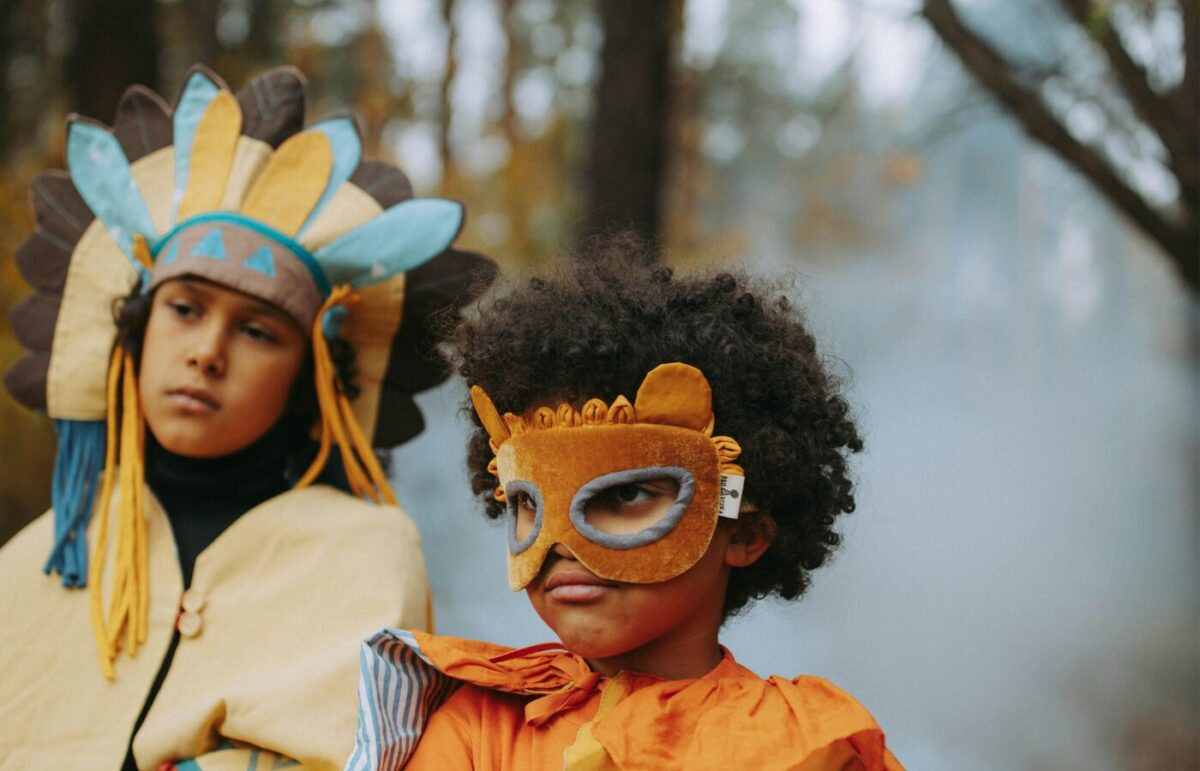
Picture this scenario: after you finish reading or telling a story, your child excitedly invents alternative endings or spins their version of the tale. That imaginative spark isn’t just play—it’s foundational for creative thinking, problem-solving, and innovation later in life.
Strengthen family bonds in a disconnected world
With families juggling busy schedules and everyone absorbed in digital distractions, storytelling can be your secret tool to strengthen family bonds. A dedicated story-time creates a ritual, fostering a comforting sense of routine and closeness. These moments—shared laughs, gasps, and quiet contemplation—form memories your child will carry into adulthood.
Imagine your grown-up child reminiscing, “Remember when Dad used to make up stories about dragons in our backyard?” Those shared memories will remain meaningful long after the latest viral trend disappears.
To enrich these storytelling sessions, consider incorporating narratives from the Dear Mynd segment of The MyndStories Podcast. Hosted by Dr. Srividya Sivakumar, Dear Mynd presents heartfelt letters, reflections, and poetry that explore mental health, resilience, and emotional connection. These short, beautifully told stories can serve as an easy, accessible way to invite emotional literacy and storytelling into your home.
Episodes like “The one with hope” and “The one with endings” offer gentle, powerful lessons for listeners of all ages.
Enhance critical thinking and understanding of complex issues
Our digital age bombards children with information; not all is accurate or helpful. Often, opinions are shown as facts. Storytelling provides a powerful tool to gently introduce and unpack complex or challenging topics in a safe, digestible manner.
Cultural stories and myths help us understand or share our roots and our background as people. Stories are windows to another culture, and particularly key for diaspora families that are raising children away from their heritage cultures.
Actionable tips to encourage storytelling
So, how can you incorporate storytelling into your child’s digital-centric world?

- Schedule regular storytime: Dedicate just 15–20 minutes daily, screen-free, for storytelling. Consistency is key. Older kids also enjoy being read to or sharing stories, so don’t stop because elementary grades are over.
- Encourage storytelling games: Prompt kids to invent their own stories or retell their favorite tales creatively. There are wonderful storytelling events and workshops that happen in libraries around you. Seek them out!
- Seek your stories: Apart from sharing personal or family anecdotes, regularly seek books and stories written by South Asians that describe your heritage culture or diaspora experiences. Stories where your children can be lead characters make them understand that their stories are important too. Peerbagh’s nonprofit work and Bento children’s magazine are platforms to encourage and spotlight South Asian storytelling for this exact reason.
- Be curious: Let your child’s curiosity win over judgments. Involve your child actively. Ask questions, encourage predictions, and invite them to change or extend storylines.
Storytelling is timeless
As we navigate the ever-changing tides of technology, one truth remains constant: storytelling transcends trends, technology, and generations. Stories nurture empathy, fuel imagination, build stronger family connections, and provide vital tools to understand our increasingly complex world.
In an age defined by screens, storytelling anchors children in authenticity, emotional understanding, and human connection. Whether shared around the dinner table, at bedtime, or curled up on the couch, storytelling isn’t just an old-fashioned pastime; it’s the heart of raising thoughtful, compassionate, and imaginative kids.
And in a world constantly changing, what could be more important than that?
This guest post was contributed by Bento children’s magazine, produced by nonprofit Peerbagh. Bento—the only South-Asia-inspired children’s magazine in print—helps young readers celebrate their heritage and develop a lifelong love of reading.