“I would have nightmares about that moment, over and over again. Every time I closed my eyes, I was back in that place, trapped,” says Unnati, a 26-year-old writer from Mumbai, who still carries the weight of a trauma that shaped her life.
“It’s been thirteen years since that incident, but the fear still haunts me. I remember this one time I was at my cousin’s place, having tea, when I saw a reflection of someone walking in. At that moment, everything froze. My hands started shaking uncontrollably, and my heart raced like it was about to explode. It felt like I might collapse right then and there.”
Living with PTSD
Unnati’s experience is one that countless others with PTSD face, living in the grip of trauma long after the event. For many, PTSD isn’t just a clinical term. It becomes an unshakable reality, impacting their daily lives in ways that can feel impossible to control.
Globally, Post-traumatic Stress Disorder (PTSD) affects anywhere between 3.9% to 24% of people. The picture in India is limited. The number is as low as 0.2% (Sethi, Sharma, & Ingle, 2023), which seems almost too low to be true. For individuals like Unnati, triggers can be sudden and overwhelming: a familiar voice, a certain scent, or, as in her case, the unexpected presence of someone from her past.
Unnati was 13 when a relative sexually abused her, a man who was like a father figure to her. For years, the trauma followed her like a shadow.
“I struggled with intimacy, and the memories of my past almost changed the way I saw myself. It made me question my self-worth, convincing me that I was broken, unlovable, and destined to always feel this way,” she adds.
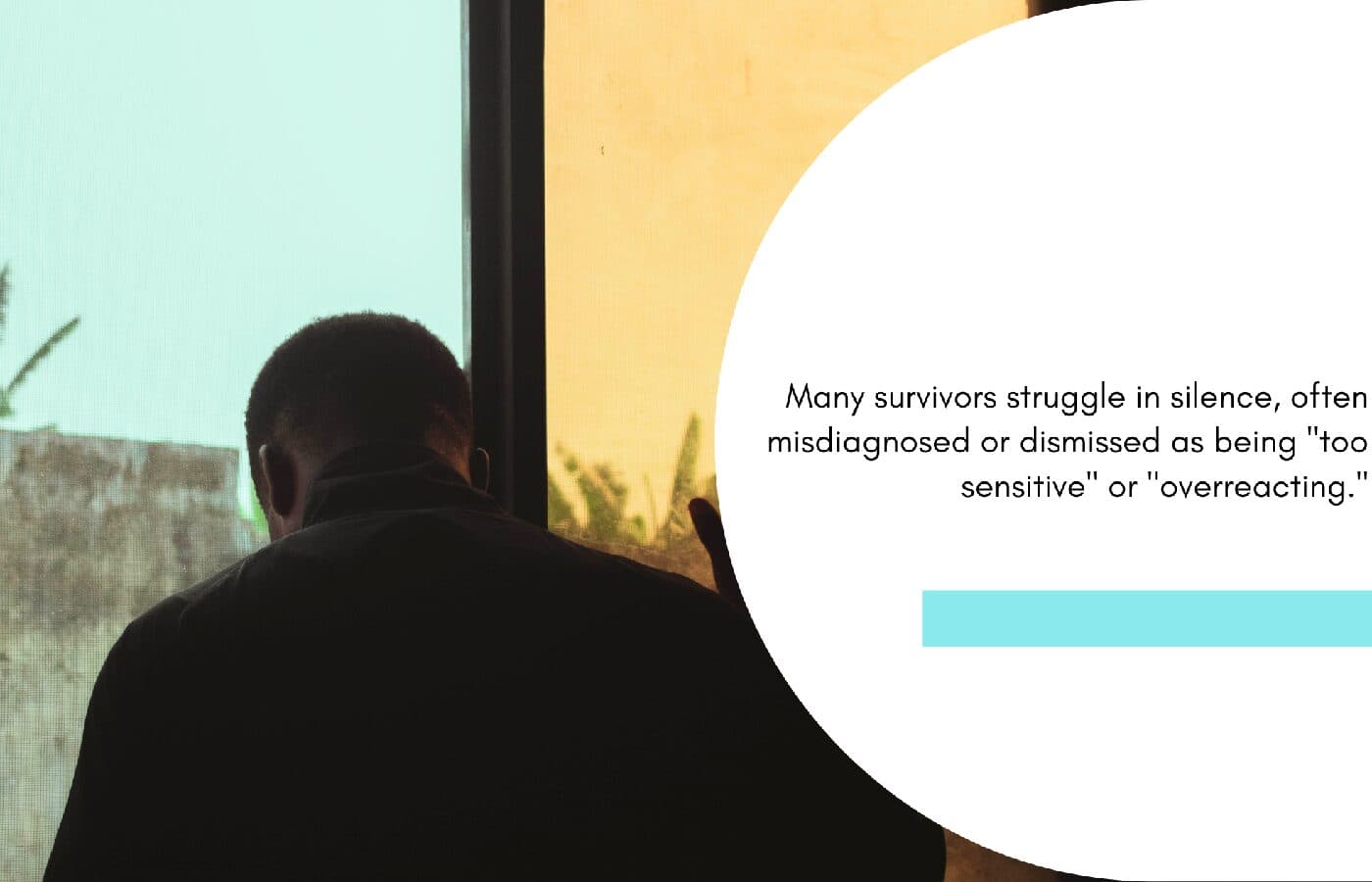
Despite the significant emotional and physical toll PTSD takes, conversations around it remain limited in India. Many survivors struggle in silence (Chakrapani, V., & Bharat, S, 2023), often misdiagnosed or dismissed as being “too sensitive” or “overreacting.” For many, the hardest part isn’t just coping with PTSD. It’s the loneliness that comes with it. When the world doesn’t see their struggle, seeking help feels even harder.
The silent war: what PTSD really feels like
Unnati reflects on her own experience: “For years, I kept my abuse a secret, thinking I had to hide it to gain respect or acceptance. But with the right support and therapy, I’ve come a long way. While the journey is far from over, I’ve finally begun my healing.”
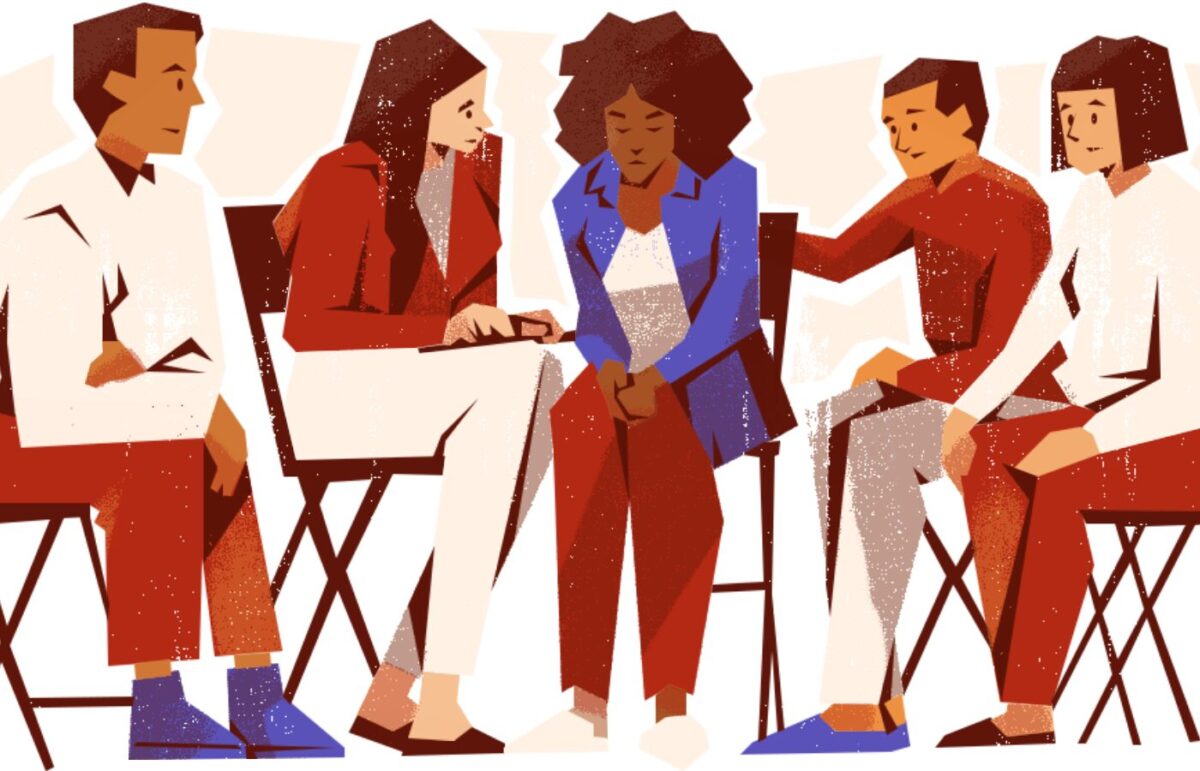
Healing from something so deep and life-altering takes time, but it’s possible, especially when there’s the proper support and care.
Dr. Seema Girija Lal (Ph.D.), a mental health professional with over 20 years of experience, has worked extensively with trauma survivors. As the Founder of Together We Can (TWC), she also advocates for social causes, including greater awareness of PTSD.
She explains how PTSD often hides in plain sight:
“They might look perfectly fine on the outside, functioning even, or constantly putting on a brave face. But they’re usually masking what’s going on inside, sometimes with humor or pretending they’re ‘busy’ to avoid being seen. In therapy, this often shows up as either skipping sessions because it feels like too much to handle or trying to turn therapy into just another thing they need to excel at. And when they face setbacks or relapses, it hits them hard. They can become their own biggest critics, trapping themselves in a cycle of self-blame.”
For many survivors, this struggle begins early, shaped by experiences that make them feel unheard or unseen. Samay, a 27-year-old working professional in Bengaluru, knows this feeling all too well.
Growing up with parents who were emotionally distant and often absent, he felt like decisions were being made for him without ever considering his wishes. That constant pressure and their emotional unavailability planted seeds of self-doubt that still affect him today. Even now, the heavy weight of unmet expectations and a lack of recognition from his parents continue to shape how he sees himself.
“I was forced into a school where I was bullied and harassed for being ‘different,’ and that stuck with me. It slowly chipped away at my confidence and made it harder for me to connect with others. I became really reclusive, something that still defines my personality today”
Samay pauses, reflecting on his ongoing internal struggle. “I’ve developed this habit of pushing people away, and it’s become part of who I am. It’s a constant battle between wanting validation, needing every conversation to feel perfect, and struggling with my inability to set boundaries. I try to push away the part of me that craves others’ approval, but then I clash with the belief that society, the way it’s treated me, is just a horrible place.”
A long road to finding joy
For many survivors, the road to healing is neither quick nor easy. The emotional weight they carry can feel overwhelming, and finding hope often feels like an impossible task. Though they may keep trying, many, like Samay, continue searching for a way forward, even if they haven’t found it yet.
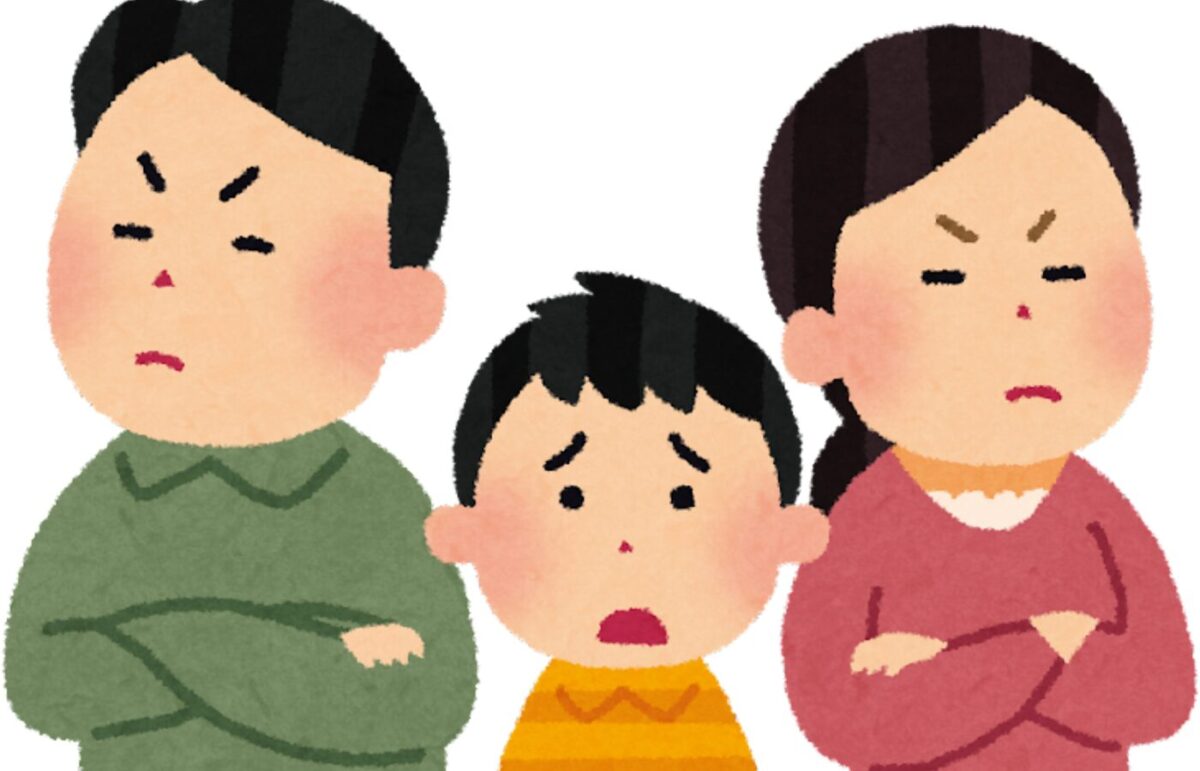
Negative parenting behaviors, such as overprotection, hostility, or harshness—account for 5.3% of the variance in childhood PTSD symptoms (Schnurr, Friedman, & Cloitre, 2017). When a child grows up in an environment where they feel unsupported or unsafe, it increases the likelihood of PTSD symptoms later in life.
Samay, for example, has tried therapy several times over the years, but his experiences have been far from straightforward. “I’ve booked sessions, paid for them, even signed up for free counseling through work,” he says, “but I call myself a ‘therapy runaway.’ I start, I stop, I try, but I just can’t seem to make it work.” He expresses frustration with the process, feeling that therapy doesn’t provide immediate relief. “I view it like a paracetamol for fever. If it doesn’t work fast, I lose patience. I’d rather use that time for something that feels more immediately productive, like focusing on my career.”
This sense of frustration is something many survivors can relate to. The process of healing often requires confronting painful emotions and dealing with discomfort, something that’s hard to embrace, especially when you’re already feeling exhausted from the weight of trauma.
Dr. Lal, who’s worked with many trauma survivors, explains that this is a common challenge for survivors who are in therapy:
“A lot of people expect therapy to always be comforting, but in reality, it can often be uncomfortable. It’s not about immediate relief. It’s about learning how to sit with your pain and ground yourself in the midst of it.”
For someone like Samay, who’s been struggling with his own internal battles, it can feel like a long road with no clear end in sight. However, understanding that healing is a slow and sometimes non-linear journey rather than a quick fix can help. It’s not about finding immediate answers but about building the resilience to keep going, one step at a time. And while that journey may feel daunting, it’s possible for survivors to eventually find the hope they’re searching for, even when it feels out of reach.
Every cloud has a silver lining
While Samay’s journey toward healing continues, others like Yukti have experienced transformative moments of hope, proving that healing, though challenging, is always possible.
Yukti, a senior writer and marketer, talks about her journey of dealing with grief when she lost her partner to death in 2018. She said, “That first year after the incident was like being on autopilot, just getting through each day. It wasn’t even about living, just surviving. I couldn’t trust anyone around me, and everything, every little thing, felt like it was working against me.”
For a long time, Yukti felt defined by her grief.
“I thought, ‘This is it. This is who I am now.’ It felt like this event had happened to me, and it would be my story for the rest of my life. The grief didn’t just feel like something I was carrying, it felt like it was me. I wasn’t just mourning my partner’s loss but also everything that crumbled around me afterward.”
Yet, even in her darkest moments, she wasn’t entirely alone. “I’m really blessed to have friends who were always there for me and a sibling who never left my side. They showed up for me in ways that meant the world.”
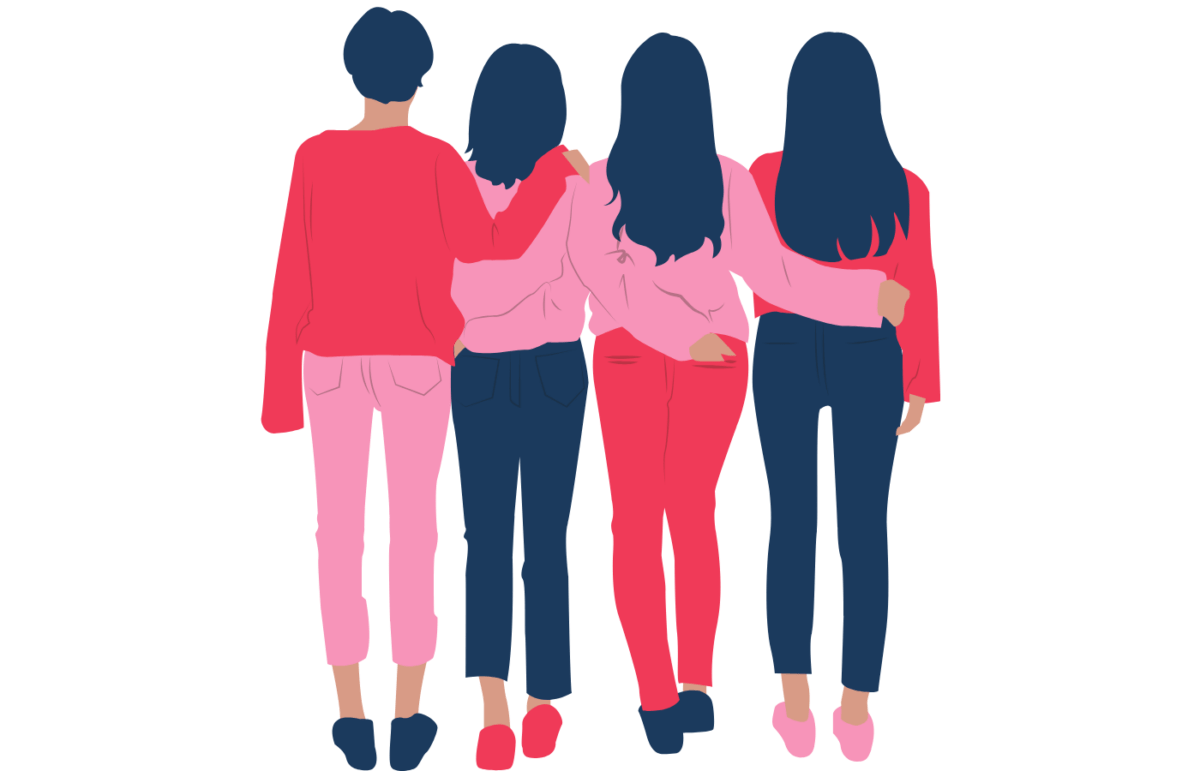
As time passed, she also found comfort in unexpected places, like conversations with strangers. “Sometimes, talking to people who had no prior context of my life helped. Listening to their stories, sharing my own, it was strangely comforting.”
But it wasn’t enough. The turning point came when her colleagues noticed she was struggling and suggested therapy. “I had thought about therapy before, but sometimes, you need that push. I started therapy after a severe anxiety attack.
Though therapy wasn’t easy at first, the right therapist made all the difference. “My second therapist was an angel. I started with in-person sessions, and just being in the same room with someone who made me feel safe was comforting. It was like a warm, cozy space where I could be myself.”
She talks about a lesson her journey through grief taught her: “You think grief works like this, that the ball in the jar gets smaller over time. In reality, the grief doesn’t shrink; you just grow around it.”
The cracks are where the light gets in
Healing is a personal and often slow journey, one that doesn’t follow a set timeline. It’s easy to think that if you’re not “over it” by a certain point, you’re failing. But the truth is, healing doesn’t look the same for everyone. What happened to you was not okay, but that doesn’t mean you are not. You are still worthy of healing, despite the weight of what you carry.
Every restart is a step closer to breaking free from the cycles that once felt inescapable. It’s a reminder that healing is not linear but a series of choices to begin again. The focus shifts from self-judgment to self-compassion and from feeling stuck to celebrating the courage it takes to keep trying.
Reclaiming joy isn’t just about finding happiness. It is a deeply personal journey, like the survivors in this piece- Unnati, Samay, and Yukti, show us that the path isn’t about erasing what happened or forcing happiness. It’s about being brave enough to face the pain, to allow yourself to exist in the mess, and to trust that, in time, joy can find its way back.
There is no finish line. Some days, healing may look like waking up and simply surviving. For others, it might mean finding comfort in the smallest things, like a conversation with a stranger or the support of a friend who sees you. And even in those moments, you’re moving forward.
So, if you’re reading this and feeling lost or stuck, know that the struggle is part of your story, not the end of it. Healing isn’t about fixing what’s broken. It’s about learning how to live with the cracks and still find moments of light. The joy you’re looking for is a process of becoming, over and over again, the person you’re meant to be despite everything that’s happened.
And that? That’s where true joy begins.