“Are you okay?”
Someone’s at her desk. Her colleague. “Are you okay?” he repeats.
She smiles. Mask on. “Yeah… just thinking.”
“Let’s take a break,” he smiles. “We can get coffee.”
He had noticed. Aliya* had been staring at the same email for 30 minutes now, her vision blurring and her heart pounding louder than the clacking of keys around her.
She knew how uneasy she felt, her breath shallow, and an invisible band tightening around her chest. If she didn’t step away now, she might crash. “Yes,” she responded, grateful for his intervention.
They step out. That tight band in her chest felt a little looser. Her breath came back slower. Relief. But beneath that moment of relief lay something deeper – something Aliya was yet to realize.
“I should be grateful, but I feel horrible instead
25-year-old Aliya worked as an Audit Associate, thriving in her corporate life until burnout blindsided her.

“At first, it was fatigue,” she said. “I’d wake up already exhausted. I would come to the office and sit at my desk, knowing exactly what I needed to do, but my brain just… wouldn’t start. I had a little trouble focusing. I blamed it on a lack of coffee.
Aliya had always been the kind of person who prided herself on meeting deadlines and doing her job well. But lately, everything felt heavier. It wasn’t just fatigue. Constant headaches came next. Followed by restless nights. And the guilt when thinking about taking a break.
“I had a job. I had exciting projects lined up. But I couldn’t feel anything. I’d come home and cry, wondering what was wrong with me.”
She was not eating enough nor was she sleeping well. Eventually, Aliya started feeling like a ghost in her own body, present but absent. “I didn’t talk about it at work.She thought, What if they see me as weak? What if they think I can’t handle it?”
Even when her colleagues asked her if she was okay, she said her first instinct was to say yes, but deep down she wanted to break down and cry.
Her story is not an isolated one. Recent studies and reports indicate that a significant portion of Gen Z employees are quitting their jobs due to health concerns over high-pressure work environments and toxic workplace cultures.
For India’s young workforce, the grind never stops. Until their bodies force them to.
An invisible pandemic is taking over
Occupational burnout doesn’t arrive with blaring sirens. It’s a slow, gnawing presence that sucks your energy, until you are left feeling drained. Fatigue, a sense of detachment and professional ineffectiveness creep in like uninvited guests that soon make themselves comfortable
Aliya’s story is unfortunately a common experience. It’s a reflection of a growing crisis in modern-day workplaces.
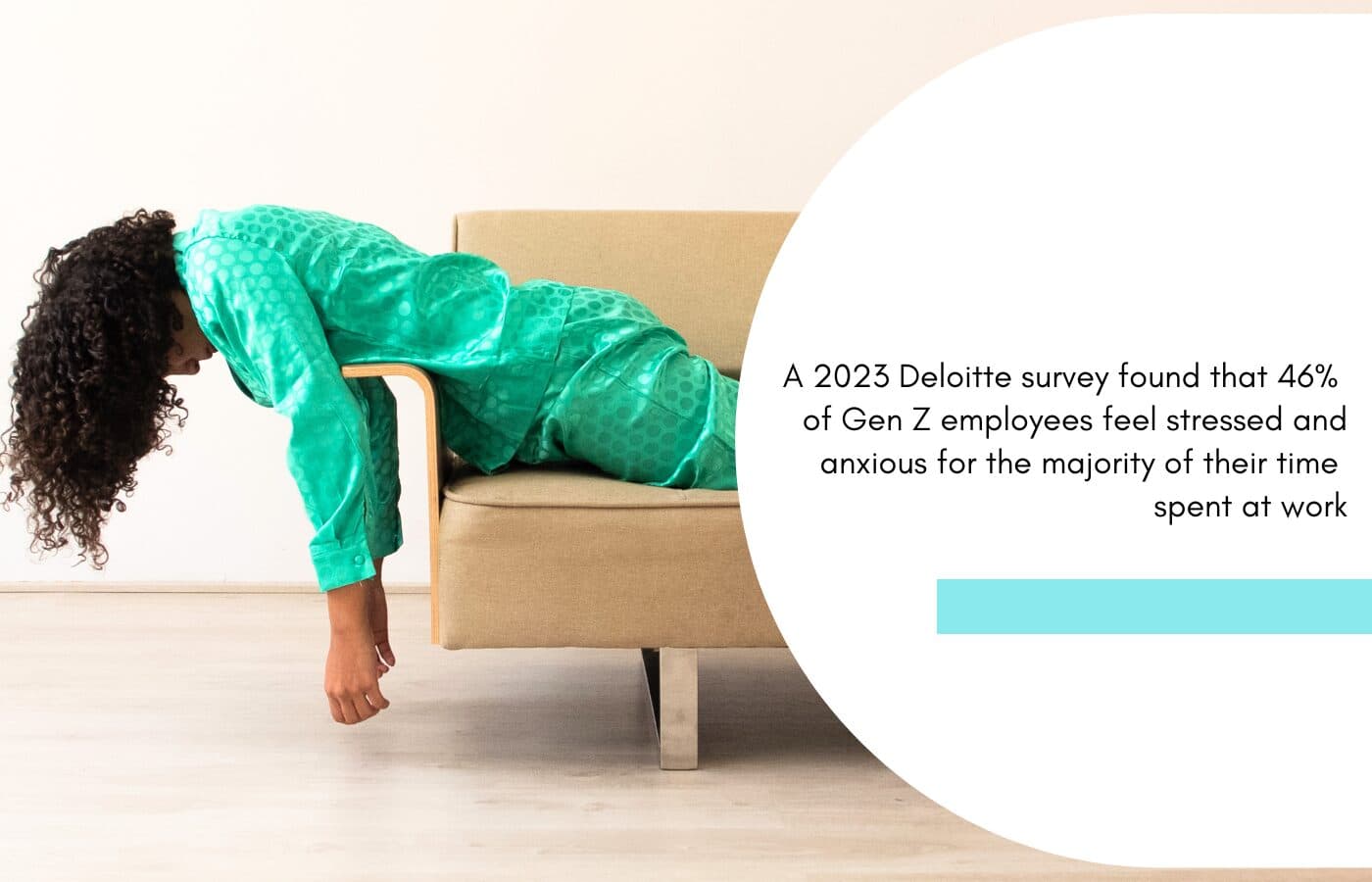
A 2023 Deloitte survey found that 46% of Gen Z employees feel stressed and anxious for the majority of their time spent at work. Over a third reported exhaustion or lack of energy, with 42% reporting that they’re struggling to reach their full potential.
For Gen Z, stepping into the workforce has been like walking on a tightrope. Given the current state of global instability and economic uncertainty, Gen Z are feeling the heat. Post-pandemic job losses, financial precariousness, and social issues are just a few factors making the young ones feel more vulnerable and stressed than ever.
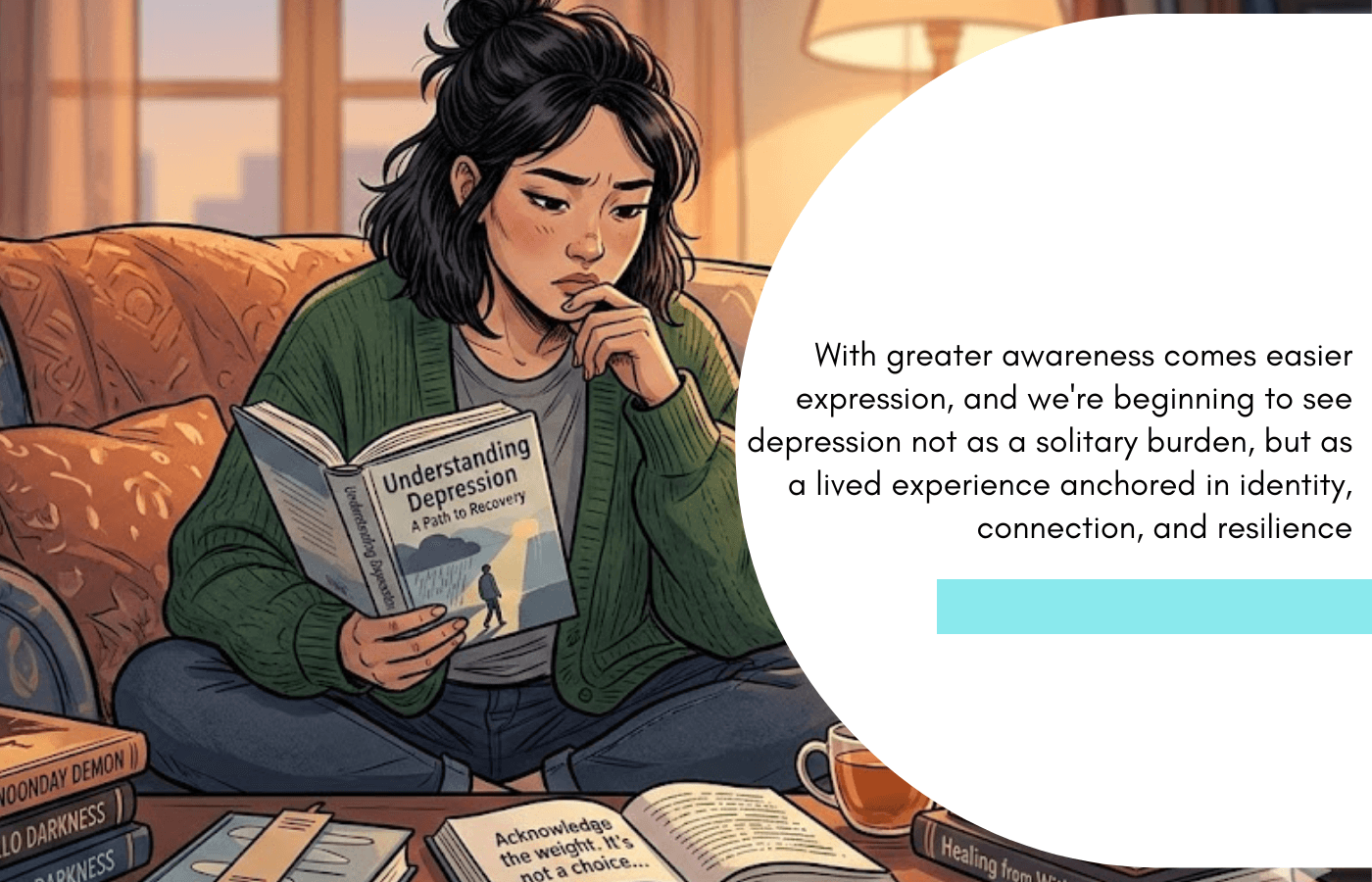
But voicing helps. Whether it’s by wearing pajamas to work or writing blunt leave requests, Gen Z are speaking up loud and clear, challenging outdated workplace norms, and pushing for workplaces to make mental health a priority.
From initiating conversations on social media platforms like LinkedIn about burnout to asking for flexible work schedules at stand-up work meetings, mental health is no longer whispered in hushed voices and sighs.
How do you ask for help?
Gaurav (name changed), 27, a Product Manager at a leading firm, has seen it all – the tight smiles, quiet suffering, and stressed-out looks.
“I used to be the guy who just ‘liked’ mental health posts on LinkedIn,” he admits. But he has realized that awareness alone isn’t enough. Reality hit him the hardest when he lost his best friend. “He was brilliant, but the work culture was extremely toxic. He would stay up nights working, trying to meet unrealistic deadlines,” Gaurav says, his voice tight. “And one day… he was gone.”
His friend had suffered a fatal cardiac arrest. The doctors called it stress-induced. That’s when it hit him: mental health isn’t just personal; it’s structural. “Workplaces can kill, and no one was talking about it until this happened.”

India’s toxic work culture has been linked to fatalities among young professionals. The death of a young accountant at EY India last year sparked a national debate on the pressures faced by employees in high-demand sectors. “I used to think, ‘Well, if they needed help, they’d ask for it’. But that’s not how it works. Sometimes, people don’t always know how to ask.”
Now, when he senses someone struggling, he does what he can. A well-timed joke. A small break. A reminder that work isn’t life.
No, it’s not ‘just part of the job’
India’s corporate world thrives on hustle culture. Late nights are badges of honor. Exhaustion is synonymous with dedication.
Sumit Singla, better known as The Culture Guy, has spent years helping organizations create workplaces that don’t just function but thrive. As an HR consultant and fractional CHRO, he’s seen firsthand what happens when companies ignore burnout and what they can do to fix it.
“Gen Z is much more upfront about mental wellness and therapy,” he says. “For millennials, these conversations either didn’t happen or only happened in hushed tones.”
But why does burnout feel more rampant than ever?
“The glorification of ‘hustle culture’ is a big culprit,” Sumit explains. “Unrealistic workloads, the leaders’ obsession with 90-100-hour work weeks, and peer pressure all create a toxic cycle. Employees feel like they have to keep up or risk falling behind.”
And it’s not just psychological. Research shows that working 55 or more hours per week is associated with a 35% higher risk of stroke and a 17% higher risk of dying from heart disease, compared to working 35-40 hours per week.
And yet in many workplaces, he notes, gaslighting employees into believing burnout is a personal failure only makes things worse. People start thinking, Maybe I’m just not good enough. Maybe I should be able to handle this. That’s not just unhealthy, it’s dangerous.
If leaders don’t go first, who will?
The solution isn’t offering free meditation apps or adding “mental health” to the company’s values page. Real change requires a culture shift.
Here’s what Sumit says organizations must do to address burnout before it spirals:
- Balance workloads. Employees aren’t machines. Work should not be draining and too demanding.
- Embrace flexibility. Non-work commitments, caregiving duties, and personal time should be valued, not seen as obstacles.
- Empower managers to recognize burnout. A supportive manager can be the difference between an employee thriving and one quitting.
- Actually listen. If employees say they’re struggling, leaders need to listen, and action needs to follow, not just empty words.
But even with the right policies, many young employees hesitate to seek help at work. The biggest reason? Fear of judgment.
“If as an employee, I suspect my registering for a therapy session will get reported to my manager, I’ll stay as far away from using resources as I can,” Sumit says. “Confidentiality goes a long way.”
The best way to break this stigma? Leaders need to go first. “If leaders embrace vulnerability and talk about their own challenges, employees will follow suit,” he emphasizes.
It takes people looking out for each other to make a difference.
What can you do as an individual?
Culture shifts begin with individuals who choose to care. Small steps can go a big way. Here are a few.
Check in, genuinely. A simple “How are you really doing today?” can open doors.
Model healthy boundaries. Take your breaks, log off on time, and say no when needed.

Speak up kindly. If you notice someone struggling, don’t stay silent. Offer a listening ear, a coffee break, or just your presence.
Normalize vulnerability. Share your own stressors when appropriate. It can be powerful to hear, “I’ve felt that way too” from a colleague.
Start small initiatives. Create a mental health channel on Slack, propose a no-meeting Friday, or organize an anonymous feedback box. You’ll be surprised how many others want the same things.
Be the ally who listens. Sometimes all someone needs is to be seen and heard
Better well-being, better work
For Aliya, it’s about allowing herself to pause. “I’ve started setting boundaries,” she says. “I take breaks without guilt. I speak up when I’m overwhelmed. And I’m learning that asking for help isn’t weakness, but strength.”
For Gaurav, it’s about normalizing mental health conversations. “I want to create a work culture where no one feels like they have to suffer in silence.”
For Sumit, it’s about making mental health support a priority. “It’s embedding well-being into performance conversations and leadership dashboards,“ he says.
He believes that the driving force for any organizational decision is ROI, and linking well-being to tangible results makes it easier for organizations to invest in long-term mental health initiatives.
Tracking mental wellness alongside performance metrics helps identify stress patterns early, allowing companies to intervene before burnout leads to disengagement or attrition. Therefore, employees who feel supported are more engaged, focused, and motivated, leading to better performance and creativity.
Simply put, when well-being is embedded in leadership priorities, people don’t just work better, but they feel better, stay longer, and contribute more meaningfully.
Gen Z isn’t waiting for permission to change the conversation. They’re doing it themselves out loud, canceling outdated stigmas, exposing toxic work cultures, and demanding real change.
The glass ceiling of workplace mental health is cracking. And with every small, bold step, it’s only a matter of time before Gen Z shatters it completely.