

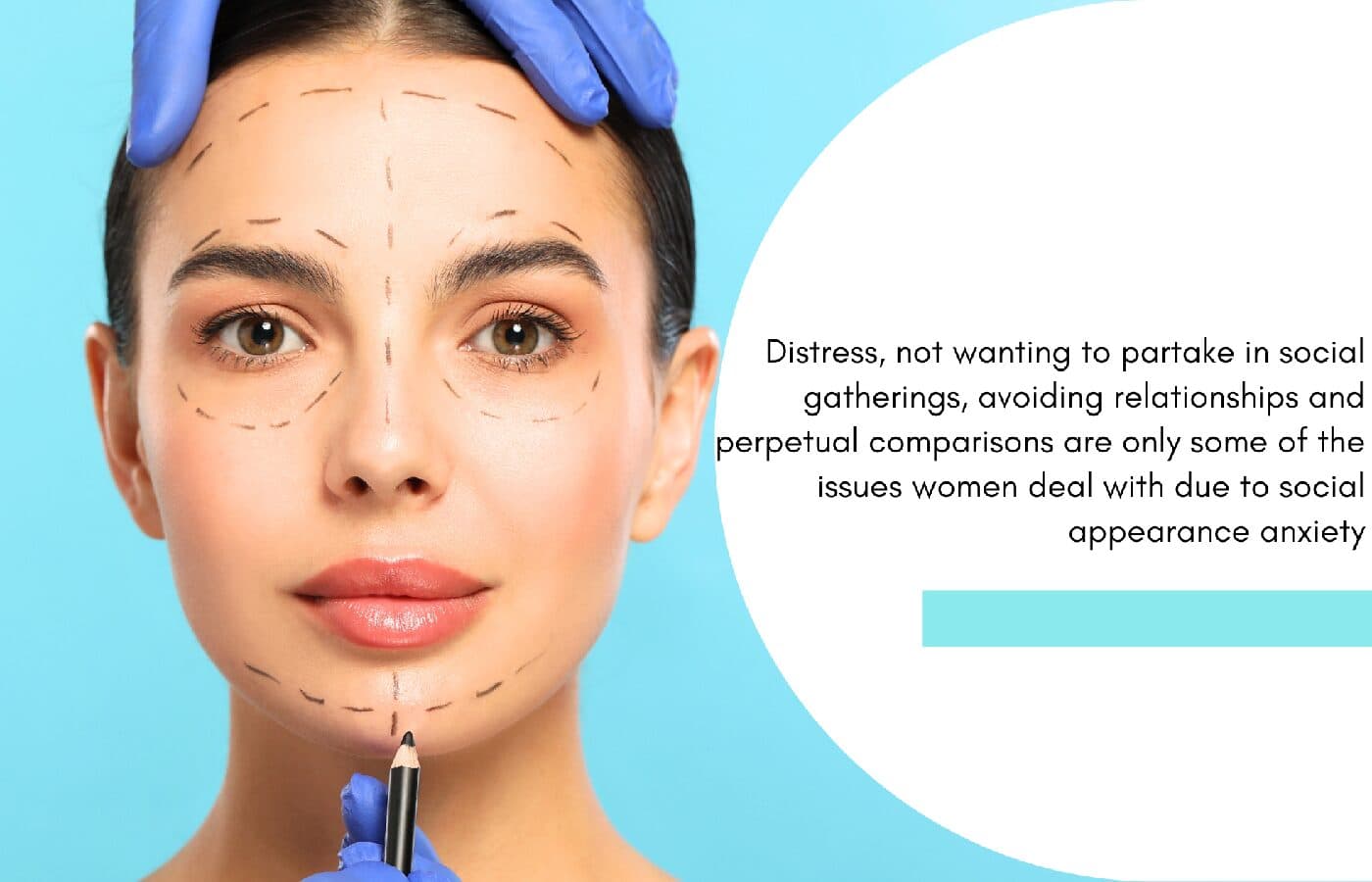
Whether it’s invasive or noninvasive procedures, when it comes to women-centric aesthetics, they’re peppered with a myriad of cosmetic surgeries daily. Procedures like liposuction, tummy tucks, and Brazilian butt lifts are some of the old ones that are still popular.
The modern take on self-care includes fat removal, skin tightening, botox, fillers, jawline sculpting, chin implants, skin retexturing, brow lifts, breast augmentation and plumped lips. Our faces have grown to be our most precious asset, thus women believe choosing these procedures means picking luxury wellbeing.
“Plastic surgery may be seen as part of glamorous, successful lifestyles and women are tempted to imitate that,” says Rachael Eccles, clinical hypnotherapist.
If this aforementioned ‘new-age wellness’ list wasn’t already brimful of beauty treatments, you’ve riveting modification names to take it up a notch—skinvive, face exosomes, vertical contoured brow lifting, blinding choppers, menopause makeovers, blepharoplasty and prejuvenation.
There’s a difference between reconstructive surgery and cosmetic surgery?
Before broaching ‘the why’ of this, let’s just uncork ‘reconstructive surgery’. Reconstructive surgery can help people with birth deformities, the effects of certain diseases including breast cancer and other cancers, and trauma from accidents or injuries, regain their function.
Here at MyndStories, we acknowledge the significance of this type of medical intervention.
Appearance anxiety in Indian women and around the world
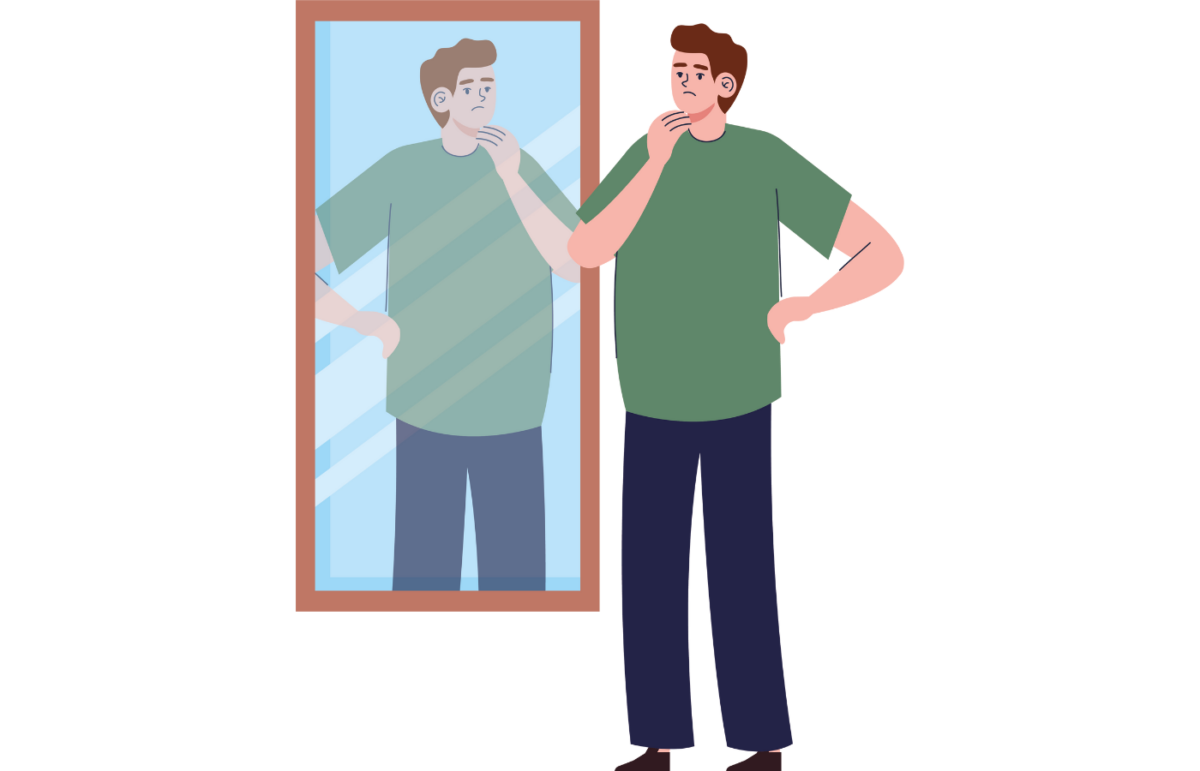
A study published in the Indian journal of community medicine concluded that a remarkable number of participants were unhappy about their appearance that significantly contributed to their psychological well-being. Low self-esteem and anxiety were the by-products of body image dissatisfaction.
Women are more strikingly susceptible to experience social appearance anxiety as compared to men. Emotional instability is increased by a persistent dread of being judged harshly because of one’s looks and not being on par with societal views of prettiness. Distress, not wanting to partake in social gatherings, avoiding relationships and perpetual comparisons are only some of the issues women deal with due to social appearance anxiety. Women who believe that their appearance prevents them from leaving a good impression on others can suffer from anxiety.
Appearance anxiety isn’t only limited to urban India, unfortunately. Globalized influences on beauty standards are pervasive and entrenched in rural India as well. A recent study inferred how plumpness is held in high esteem as opposed to indigenous parameters of beauty. This coupled with the media’s idea of attractiveness and societal stance on what makes one an aesthetically pleasing woman contribute immensely to body image issues. Needless to say how inveterate it is to put lighter skin tone women on a pedestal and loathe darker skin tone women.
With over 20,000 and 19,000 results, respectively, liposuction and rhinoplasty were the most searched terms in India’s cosmetics market as of January 2021. Additionally, it ranked 7th on the list of nations with the most cosmetic operations, both surgical and non-surgical, in 2023. The Aesthetic Plastic Surgery National Databank reports that between 2019 and 2020, fillers and botox procedures performed in America rose by 75% and 54%, respectively. An increasing number of teen girls in the US also want to have their labia plastically altered.
The UK is the facial filler market with the greatest rate of growth in the globe. British plastic surgeons reported a 70% increase in consultation requests over 2020. These beauty treatments have led to a more substantial tax in 2022 than ever before. Pick out any corner of the earth and there will be no woman who hasn’t chanced on these beauty procedures, whether online or offline.
Continual shifts in what is considered pretty in society make these “beauty standards” meritless. The “ideal beauty” negatively impacts women, especially the ones who try to conform to each and every “beauty era”. While people in general are growing more and more accepting of every face type, why are more and more women taking the plastic surgery plunge?
Causes that make women conscious about their appearance
When social media champions plastic surgery and other beauty procedures as a long-term strategy to overcome appearance insecurities, women are bound to reckon that as an infallible option.
“Social media and people using it are normalizing these treatments. There has also been an increase in a number of filters to smooth skin, enlarge lips, and alter nose. Everything promotes an image to other women who look different, making them view themselves in a bad light,” says Emily Mendez, with M.S. in mental health counseling, EdS. in counseling psychology.
The more the media, social media and celebrities/influencers endorse a fixed set of features, the more it becomes the only acceptable and ideal beauty look. According to a 2024 study by experts at Boston University Chobanian & Avedisian School of Medicine, the usage of photo-editing apps and social media are directly proportional to a woman’s desire to get cosmetic surgery.
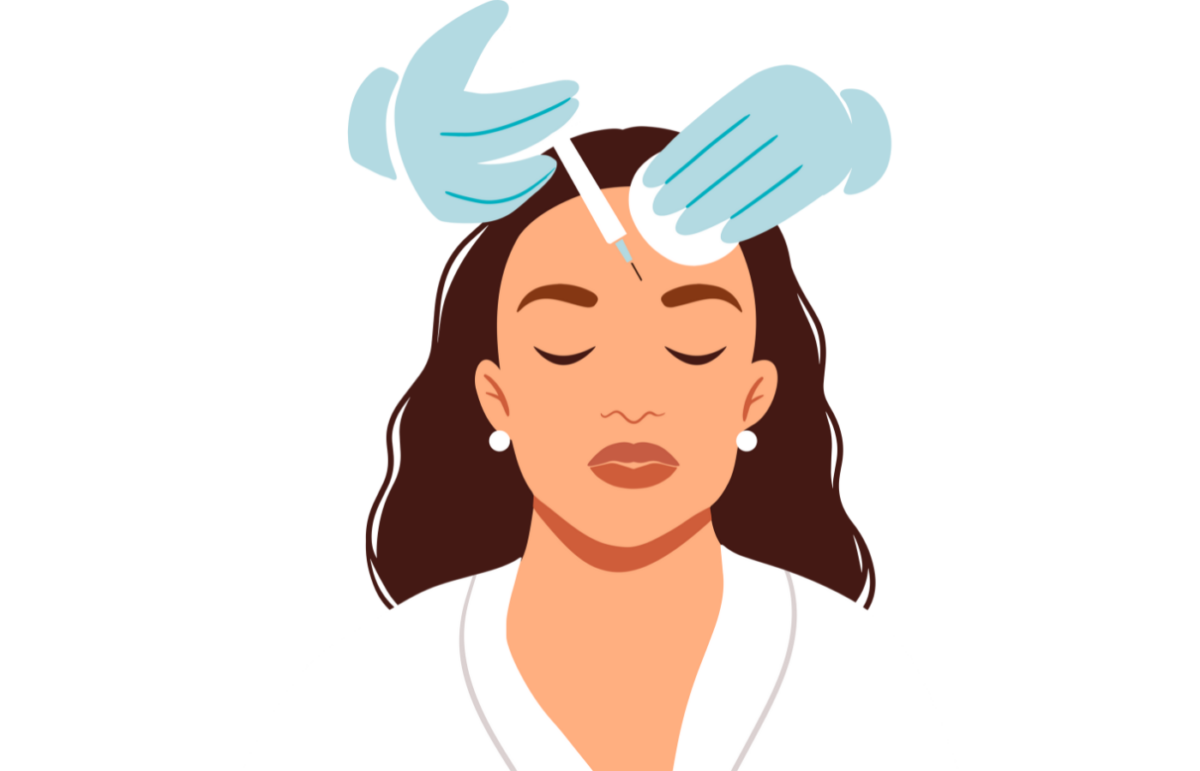
The “before and after photos” of cosmetic surgeries and treatments tend to classify the before photos as unappealing, pushing women to think that there’s something wrong with the way they look naturally. The glamorization of the outcome as more attractive is what sways them to get under the knife or inject themselves.
Women are also subjected to a great deal more pressure than men due to gendered ageism, according to a study based on prior studies. Lingering concerns about aging, attempts to go back in time and obsessive cosmetic struggles are unwanted facets of growing old that are dashed upon women.
In another study, 331 women between the ages of 45 and 65 participated to assess the relationships between appearance anxiety, psychological well-being, and age-related management rituals. Higher depression scores were correlated with body dissatisfaction, the value placed on appearance and aging anxiety. The likelihood of engaging in anti-aging measures was linked to appearance and aging anxiety.
Societal pressure to look a certain way regulates women’s actions significantly. The unsolicited rendezvous with ageism is also more for them. “As women get older, there is a pressure to conform to younger beauty ideals, which sometimes can drive them to consider surgery,” says Holly Schiff, Licensed Clinical Psychologist.
Tackling appearance anxiety
When the mind is made to perceive certain facial traits as the only or more alluring ones, it can lead to appearance anxiety, which can evoke distressing emotions. So how to tackle it?
- Resist the pressure to conform to society’s ideal of beauty by embracing your uniqueness. Media portrayal of beauty isn’t the only beauty that’s enticing as it’s subjective.
- Social media offers both positive and negative elements. Whether it’s going to manipulate you for the worse or guide you for the best greatly depends on you. Use it as a self-reflection tool to find out what bothers you about your face and re-write a new positive internal monologue everyday.
- Do a social media detox and see if that helps. “Distancing yourself from fake, enhanced and filtered images where everyone tries to look the same will allow you to see things from a perspective that’s appreciable of your individuality,” says Rachael.
- A magazine’s or a person’s opinion on social media or in-person about beauty isn’t something you’ve to comply with. The societal idea of beauty keeps changing but you don’t have to. It also doesn’t make sense to follow trends when they’re nothing but a trend.
- If this anxiety is affecting your day-to-day life, therapy might help. “Therapy can help a person recognize and change negative thought patterns that are contributing to these feelings,” says Emily.
- Try self-care activities that make you feel good about yourself. Focus on making long-term changes that are more beneficial. If you don’t enjoy the traditional form of exercise, try dancing, zumba or aqua yoga.
- Reframe how you see yourself by talking to yourself how you’d with your best friend. “Treat yourself as you would treat a friend. Foster kindness towards yourself and practice self-compassion,” says Holly.
- A photoshoot is also a unique way to cultivate self-love. When we enjoy what we see via a photographer’s lens, it can make us love how we look. While it’s not a panacea, it can enhance self-perception.
- Expose yourself to different types of beauty. At times, you tend to admire some quirky and distinctive features of someone else and that can plant a seed of newfound fondness of your own atypical facets as well.
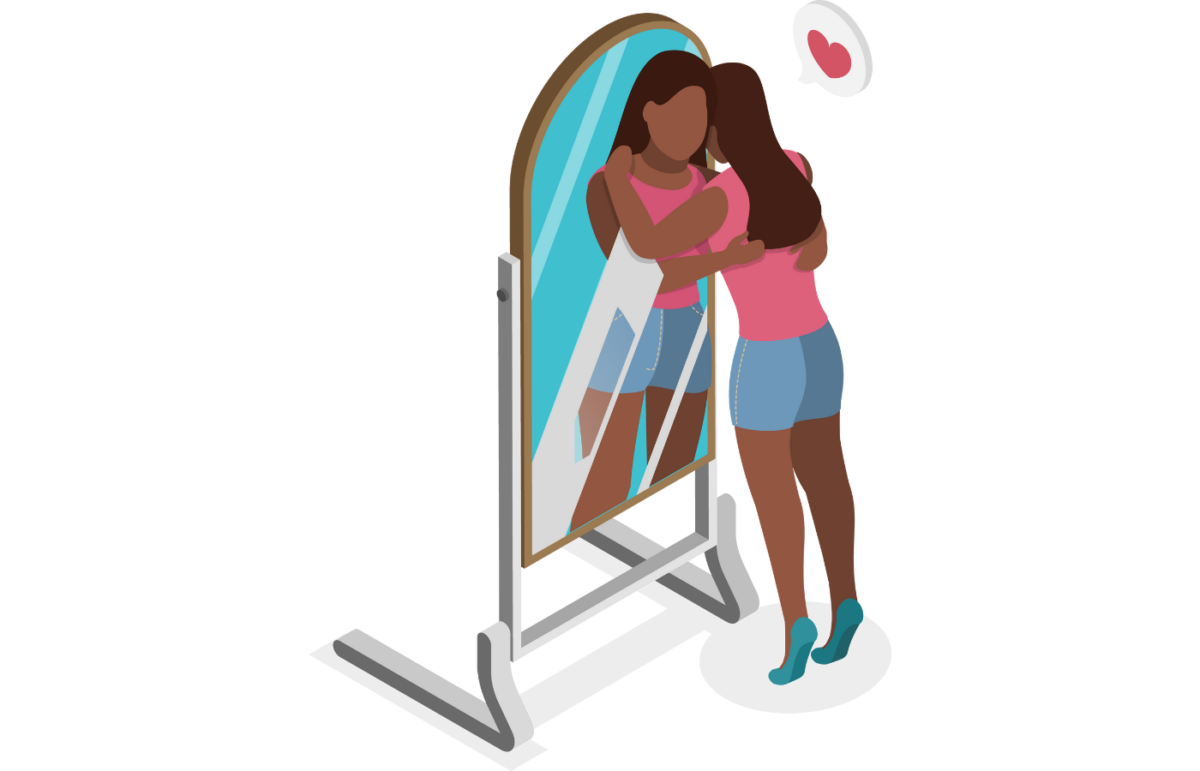
- Mirror meditation is focusing on your breath while observing your experience in the mirror. Then simply breathe whilst scanning your entire body. You can only pay attention to your breathing during this exercise.
- Treat yourself with kindness as a way to cultivate self-compassion. Attempt to accept the way you look. Try writing down some positive things about your appearance or repeating positive affirmations that make you feel good.
- Choose carefully who you want to hang out with. Make friends with people who value all forms of beauty. When you interact with people who accept others for who they are, your positive self-image grows.
Remember that if your insecurities are deep rooted that they’re conjuring up anxiety, artificial plastering may not help you at all. If media, social media, society and people weren’t there to stifle you with the comparisons and opinions, would you still take the cosmetic surgeries and treatments route?


