Therapy is often misunderstood, especially in cultures where mental health stigma still runs deep.
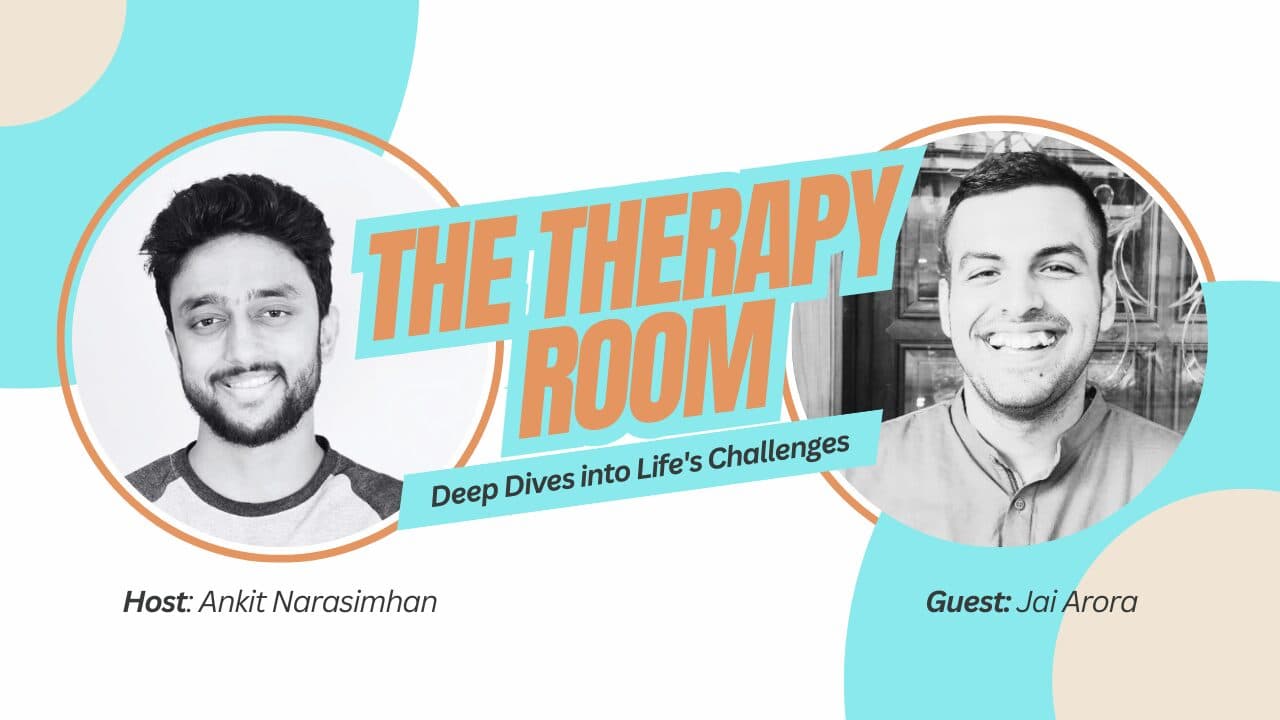
In this candid episode of the Therapy Room, counseling psychologist Jai Arora joins host Ankit Narasimhan to unravel the myths and realities around therapy, offering hope and clarity for those hesitant to seek help.
Therapy and stigma: Why the fear?
Jai opens the conversation by addressing stigma. Many people avoid therapy not because they doubt its value but because they fear being judged by family, friends, or society at large.
This stigma is rooted in centuries-old beliefs that equate seeking help with weakness or instability. As Jai points out, these attitudes are reinforced by social and even patriarchal structures that prize stoicism over vulnerability.
This isn’t just an Indian phenomenon. A study by Harvard Medical School shows that nearly one in two people worldwide will experience a mental health issue in their lifetime. Yet, more than half will never seek help, often due to stigma or fear of discrimination.
Who is therapy for? Not just “crisis cases”
A powerful takeaway from the episode is that therapy isn’t only for people in crisis. Jai uses a helpful analogy: imagine a spectrum from -1 to +1. Therapy can help you move from -1 to 0 (overcoming challenges) and from 0 to +1 (pursuing growth and self-improvement).
Therapy offers tools for healing and personal development no matter what you’re going through – perhaps, it’s a painful breakup or work stress or you simply want to understand yourself better.
Beyond “paid venting”: The true value of therapy
Jai and Ankit debunk the myth that therapy is just “paying someone to listen.” While venting is a natural starting point, therapy is much more:
- Trained observation: Therapists notice subtle cues – body language, tone, and patterns – that friends might miss.
- Structured process: Therapy is guided by evidence-based techniques and clear goals.
- Accountability: Good therapists balance empathy with gentle challenge, helping clients confront unhelpful beliefs and make lasting changes.
Jai shares that sometimes, a client’s posture or a fleeting expression can reveal deeper issues and insights that might never surface in casual conversation.
Building emotional intelligence
A recurring theme in the episode is emotional literacy. Many people avoid therapy because they’re not attuned to their emotions or don’t know how to process them. Therapy helps build this skill, enabling clients to identify, label, and work through their feelings. This is crucial, as unhealthy coping mechanisms, like excessive screen time or substance use, often stem from an inability to sit with difficult emotions.
Perhaps the most important message from Jai and Ankit is that seeking help is a sign of strength, not weakness. True resilience comes from facing your emotions and working through them, not from pretending they don’t exist. Therapy, they argue, is a proactive investment in your well-being – something everyone deserves.
Globally, mental health care is moving toward this proactive model. The American Psychiatric Association notes that therapy is increasingly recognized not just for treating illness, but for promoting growth, emotional intelligence, and overall life satisfaction.
This episode with Jai Arora is a must-listen if you’re curious about therapy. We’ve busted myths, shared real-world insights, and reframed therapy as a tool for everyone. With this, we hope to pave the way for healthier, more open conversations about mental well-being.