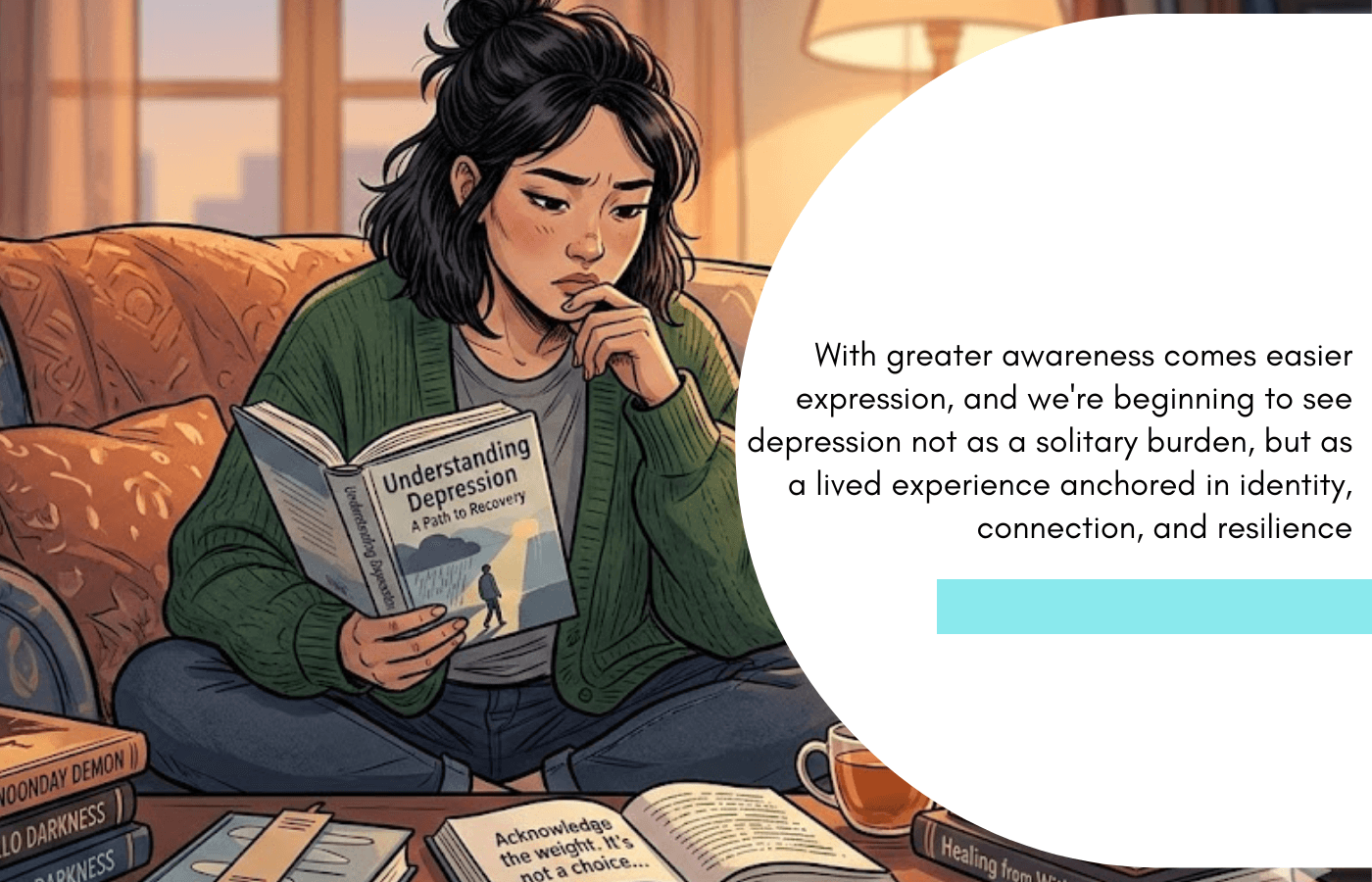

On September 10th, World Suicide Prevention Day, AIIMS Delhi launched an AI-enabled mental health and wellness program specifically designed to address rising mental health concerns and student suicides in India. The initiative combines artificial intelligence (AI), peer support (“well-being partners”), and professional psychiatric resources.
In addition to AIIMS Delhi, the program was also inaugurated in AIIMS Bhubaneshwar and the Institute of Human Behaviour and Allied Sciences (IHBAS).
The core of this initiative is the “Never Alone” app, which blends AI-driven insights with human empathy to foster emotional resilience and early intervention in mental health crises.
The app’s design ensures students can access immediate, confidential help via online and offline channels, using familiar platforms like WhatsApp for accessibility. It enables students to connect with professionals and college faculty members at odd hours to ensure immediate support.
While the app is available for free across all AIIMS centers across India, other educational institutions need to subscribe to the program. However, the fee is nominal at Rs 70 paise per student per day.
The service is available through the Global Centre of Integrative Health (GCIH), a not-for-profit mentored by AIIMS alumnus Dr. Deepak Chopra.
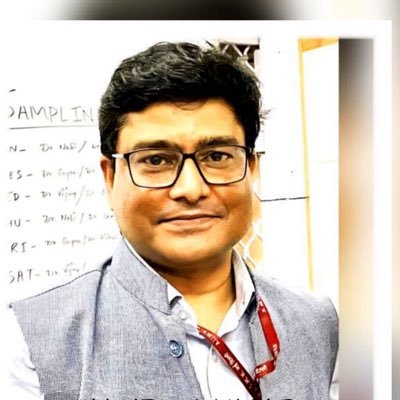
“Suicide is largely preventable. Yet, stigma and lack of awareness keep nearly 70-80% of people with mental health issues from seeking treatment,” said Dr Nand Kumar, Professor of Psychiatry at AIIMS to TOI.
Student mental health issues, including anxiety, depression, and loneliness, often escalate due to a lack of accessible, confidential support structures. In 2022, 35% of suicides in India were young adults between 18 and 30 years old. The World Health Organization (WHO) noted that in 2019 there were 703,000 lives lost to suicide or one every 45 seconds.
“Many suicides are not premeditated but impulsive, triggered by relationship disputes, financial crises, chronic illness, or sheer inability to cope with stress,” Dr. Nand Kumar explained.AI and digital platforms offer scalable ways to deliver personalized advice and triage, ensuring early detection and intervention. The program is part of a wider policy trend that encourages integration of AI in mental health, especially in higher education and among young people.