
The feature they loved the most was used by only 30% of their users, and it nearly broke their vision.
For Vasundhara Kanoria, co-founder of Togethrly, the journey into relationship wellness began with a simple idea: a sticky-note widget for couples to leave each other loving or thoughtful messages on their phone screens. Togethrly began as a mobile app with an innovative widget that allowed couples to leave each other sweet notes on their home screens.
But when the app launched, it became clear that people didn’t want yet another app on their phones. They wanted a meaningful connection where it already existed.
It could have been the end of this story. But it turned out to be the beginning for Vasundhara as she decided to pivot to a new model.
In this interview, we speak with Vasundhara about the emotional work behind building for relationships, how she’s reframing mental health as something accessible and everyday, and what it takes to lead with empathy in a tech-first world.
Let’s start at the beginning. What drew you to the mental health space – especially for couples?
I’ve always been drawn to how relationships function beneath the surface – what keeps people connected, what drives emotional distance, and how small moments can either strengthen or strain intimacy. In my own relationships, I saw how easy it was to miscommunicate or disconnect without even realising it. That’s what led me to build something in this space.
Mental health for couples, especially in India, is still such a neglected area. There are tools for individual wellness, but very few that support emotional health between partners – especially in a light, warm way, something that is integrated into everyday life. I wanted to change that.
In your early user conversations, what mental health struggles did you notice coming up repeatedly for couples? What are people not talking about enough?
Something that came up a lot, even though it may not be in those exact words, was empathy. The couples who were doing well had this quiet, intuitive understanding of each other. They noticed small shifts in tone, picked up on moods even over a call.

That level of emotional attunement made a big difference. But not everyone has it, or even knows how to build it. We started thinking about how to design prompts that help develop this quality without being too direct. For example, asking things like, “What’s a challenge your partner has overcome recently?” can help someone think from their partner’s perspective without feeling like an exercise.
When you first launched Togethrly, what did you hope it would bring to couples?
I hoped it would give couples a way to build awareness and connection in small, consistent ways. In therapy, we often talk about how change isn’t always about grand gestures – it’s about the small moments of turning toward each other. The sticky note feature was created exactly for that: to help partners share reflections, appreciations, or even difficult feelings without waiting for the “right time.”
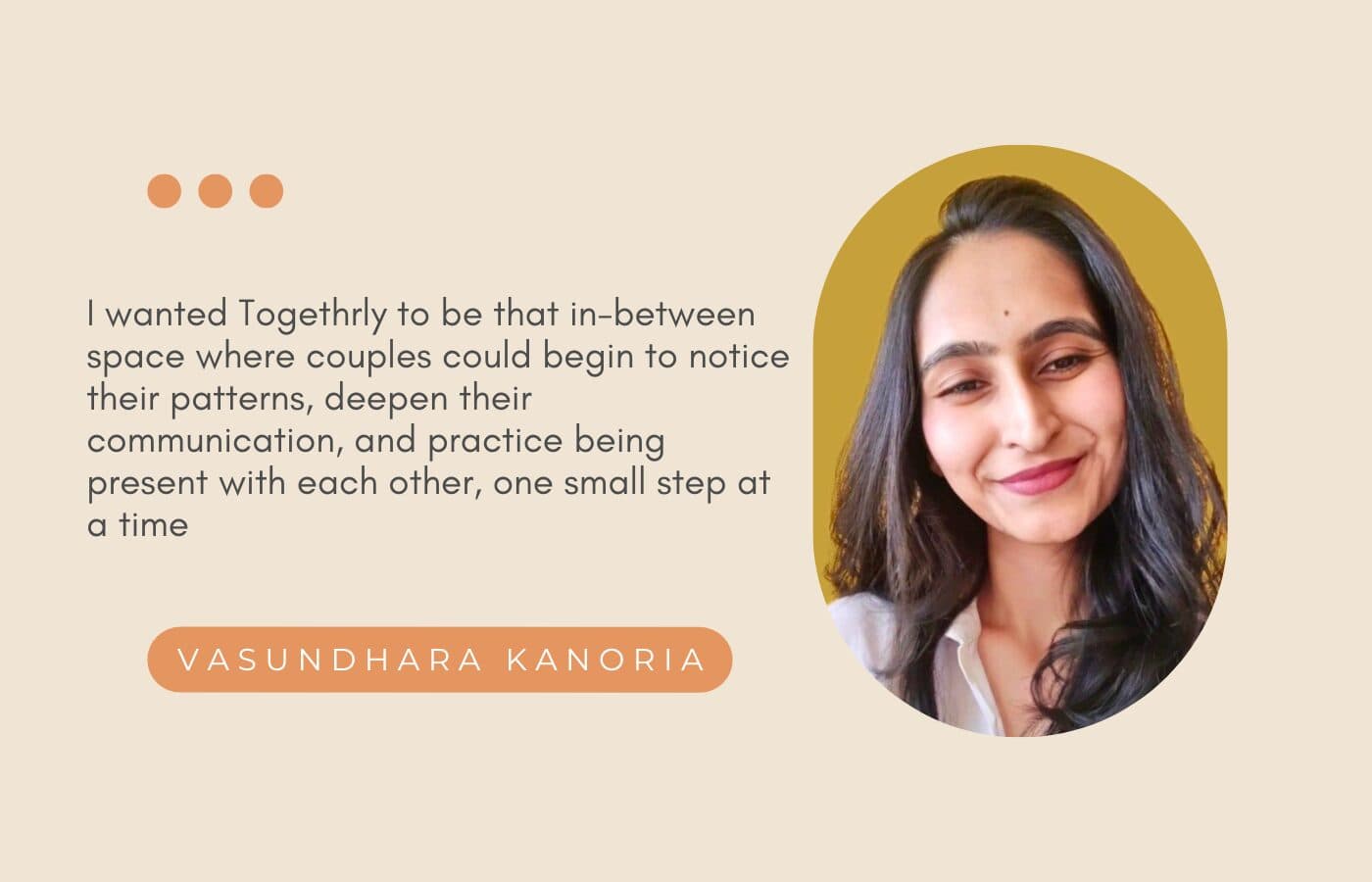
I wanted Togethrly to be that in-between space where couples could begin to notice their patterns, deepen their communication, and practice being present with each other, one small step at a time.
Interestingly the app was built because we wanted the sticky-note feature to work seamlessly. It can only happen through a widget which needed an app and that’s how Togethrly came to be.
But then you decided to shut down Togethrly within five months. What was the feedback – and what was your takeaway from it?
It was definitely hard. We’d built the app around this sticky-note widget that we really loved – and we got positive reactions from the beta testers. But once we launched, we realized most people weren’t using it.
Some didn’t know how to set it up, others were unsure about privacy, and many just didn’t find it meaningful enough to keep going back to. That kind of feedback was tough, especially after investing so much heart into it.
But the key learning was this: we weren’t here to build a widget – we were here to build connection. The format hadn’t worked, but the intention still mattered. So instead of walking away, we asked ourselves how we could repurpose the idea in a better way. And I’m really grateful to have a co-founder who believed in that shared vision – we kept coming back to why we started.
Togethrly now lives on WhatsApp—a platform couples already use every day. What made you choose WhatsApp as the right space to support relationship wellness?
It came from observing real user behavior. We had been testing other apps with friends and couples, apps we loved, too. People would try them, say they were amazing – and then stop using them within three weeks.
It wasn’t about the product and how good it was – it was about whether it became part of their routine.
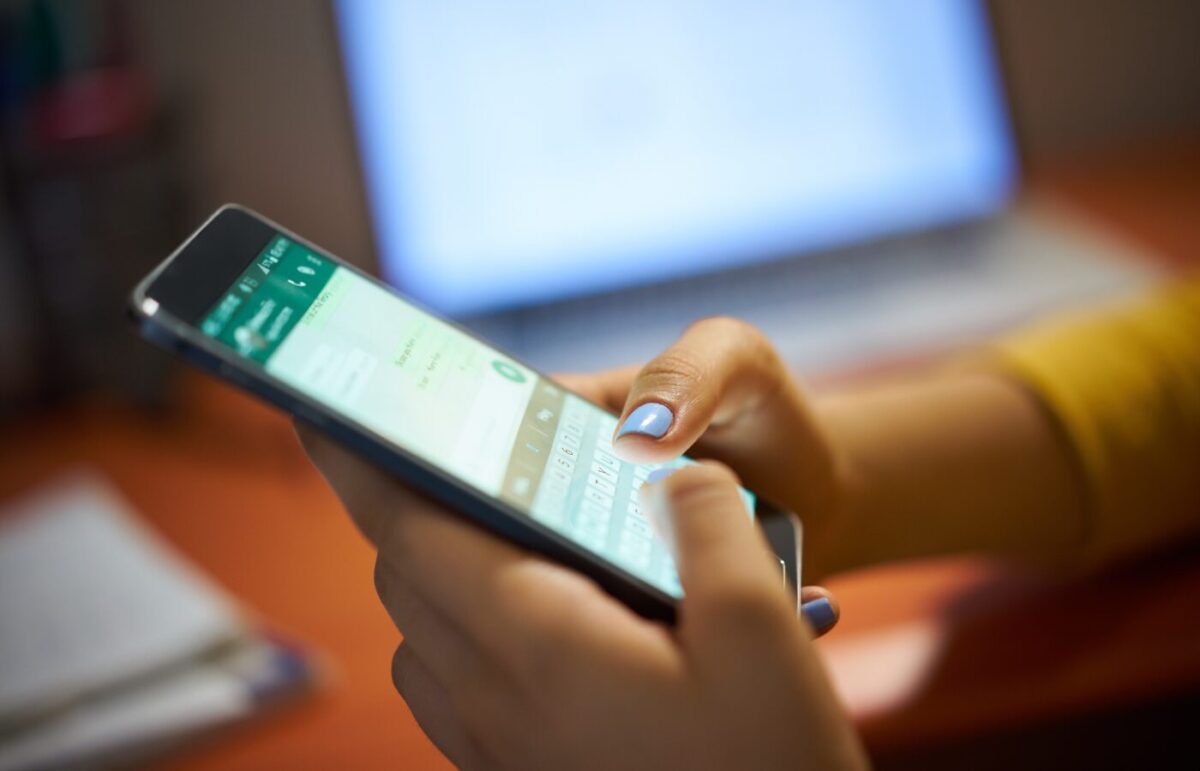
That’s where WhatsApp came in. It’s already where people talk to their partner, their friends, and their family. So we thought, why not build the wellness experience into that familiar space, rather than creating a new one?
Once we started testing it, the shift was immediate. People didn’t just say “cool idea,” they said, “Is it ready? Can we start using it?”
Therapy tools can often feel cold or awkward. How are you making Togethrly’s chatbot feel more human and emotionally supportive?
Tone is everything. We’re very intentional about our language – it’s friendly, light, and non-judgmental. Even when we’re asking deeper questions about vulnerability or empathy, we avoid clinical phrasing.
We never want it to feel like homework or therapy. It’s more like a friend nudging you to reflect or share something sweet.
Also, we’re staying away from the counselling space for now. We’re focused on emotional wellness, not therapy, because we feel that’s a space more people are willing to enter.
Where do you see Togethrly going next? What’s your long-term vision for supporting relationships and mental health in the digital age?
We want to keep building simple tools that help people stay close emotionally, not just digitally. Right now, we’re focused on couples and friendships, because that’s where we’ve seen the most interest. But over time, we’d love to include family dynamics and more nuanced relationships.
Eventually, we might return to a hybrid model – keeping WhatsApp as the core but offering app-based features that provide deeper insights.
And while we’re leveraging WhatsApp now, we’re also conscious of its limitations. The long-term vision is to build a product that people turn to regularly, not out of habit, but because it makes their relationships feel better.
As a founder building in mental health, how do you take care of your own mental health while holding space for others’ emotional journeys?
It’s a work in progress. When we first saw that the app wasn’t working, it was disheartening. But I’ve learned not to overthink long-term outcomes.
I used to obsess over where we’d be in three or five years. Now, I focus on the next thing I need to build. Is this version better? Is the experience clearer? That keeps me grounded.
Also, having users respond positively, even in small ways, helps so much. Those moments of validation matter.
Togethrly may have found its footing on WhatsApp for now, but the reliance on a third-party platform comes with its own set of uncertainties. Policies change, access shifts, and what works today may not tomorrow.
Vasundhara acknowledges this risk with clear-eyed pragmatism. Togethrly’s journey reminds her that success in mental health isn’t about being rigid, but being flexible and staying close to the people you are building for.
As she says, “We are here to build a connection.” Sometimes, that connection is exactly what keeps a vision alive.