What if the relationship that looks like love… isn’t?
If you’ve ever found yourself second-guessing your feelings, excusing red flags, or staying because “maybe it’ll change,” this conversation is for you.
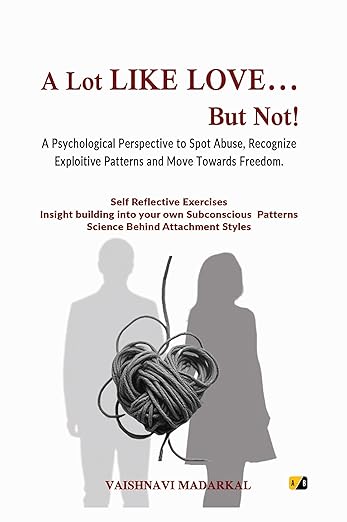
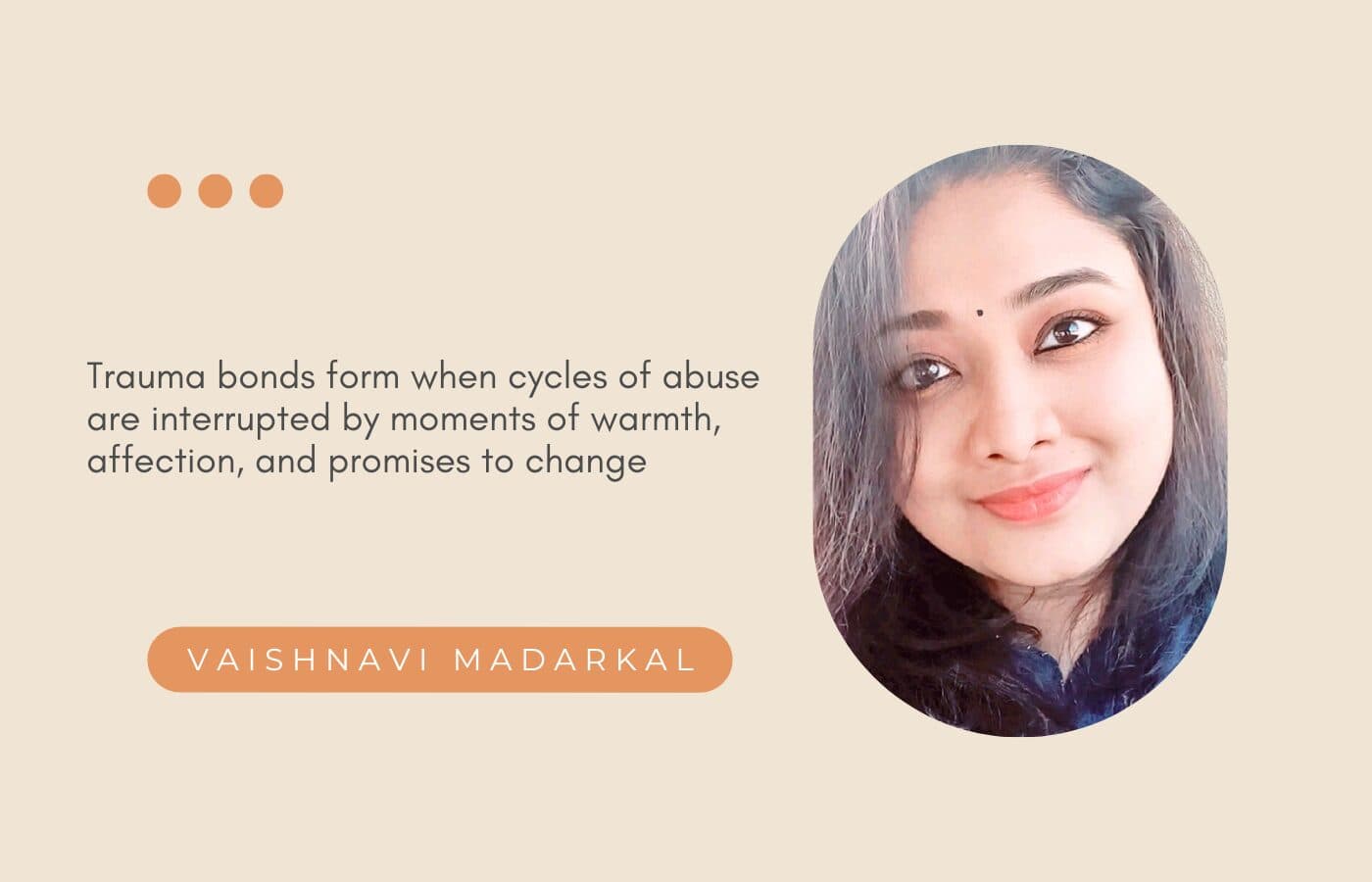
In her powerful debut, A Lot LIKE Love… But Not!, therapist and debut author Vaishnavi Madarkal calls out relationships rooted in emotional manipulation, trauma bonding, and confusion – the kind that blur love with control, affection with fear.
Through clinical insight, lived empathy, and language that meets people where they are, Vaishnavi offers more than just definitions — she offers perspective. For anyone who’s ever second-guessed their feelings or stayed in something that felt “almost right,” this conversation is a space to unlearn, understand, and begin again.
What inspired you to write A Lot LIKE Love… But Not!? Was there a particular moment or pattern you kept noticing — in your clients or your own life — that made you feel this book needed to exist?
Honestly, this book was born out of heartbreak. Not just my own, but the countless heartbreaks I witnessed in therapy rooms & around me.
I kept noticing how often people blamed themselves for not leaving, for not seeing the signs, or for mistaking intensity for intimacy. Again and again, I saw this pattern where love and abuse coexisted, confusingly and painfully, and people would say, “But I love them.” That sentence haunted me.
I wanted to create a resource that could hold someone’s hand through that fog of confusion and help them understand that just because it feels like love does not mean it is safe or healthy.
You cover trauma bonding, gaslighting, and emotional abuse in depth. Why do you think these terms, despite being everywhere online, are still so widely misunderstood or dismissed? What are the biggest myths or public misconceptions you encounter in your work?
These terms have been heavily circulated, yes, but often in oversimplified or sensationalized ways. Trauma bonding, for example, is not just being addicted to a person. It is a deep psychological dependency that forms in the presence of abuse and inconsistent emotional reinforcement, where kindness and cruelty are entangled.
One of the biggest misconceptions is that victims are weak or naive. In reality, trauma bonds form precisely because the brain is trying to make sense of danger and connection happening at the same time.
Another myth is that once you know it is toxic, you should just leave. But knowledge and nervous system safety are two very different things.
What are some of the most subtle red flags that often get mistaken for affection or love? How can people differentiate between genuine care and control masked as concern?
This is such an important question because emotional abuse rarely starts loudly. It starts with things like “I am just protective” or “I just care too much.”
Overchecking, isolating you from friends for your own good, asking for passwords, insisting on constant contact – all of that can be mistaken for deep affection. One way to tell the difference is to ask: Do I feel safe and free, or monitored and anxious? Genuine care expands you. Control shrinks you.
How does the cycle of emotional manipulation affect someone’s ability to trust themselves? What does it do to their self-esteem, decision-making, or even memory?
The cycle of emotional manipulation, especially when it involves gaslighting, slowly eats away at your inner compass.
Clients often tell me, “I used to be so clear-headed. Now I cannot tell what is real.” It is not just about being lied to. It’s about being made to doubt your own emotions, reactions, and even your sanity. Over time, this erodes confidence, distorts memory, and leads to a deep mistrust of one’s instincts. It is not uncommon for survivors to feel paralyzed when making even simple decisions.
How do trauma bonds form, and why are they so powerful even when someone consciously knows the relationship is harming them?
Trauma bonds form when cycles of abuse are interrupted by moments of warmth, affection, and promises to change. This unpredictability creates a chemical rollercoaster in the brain, especially involving dopamine and cortisol. It mimics addiction.
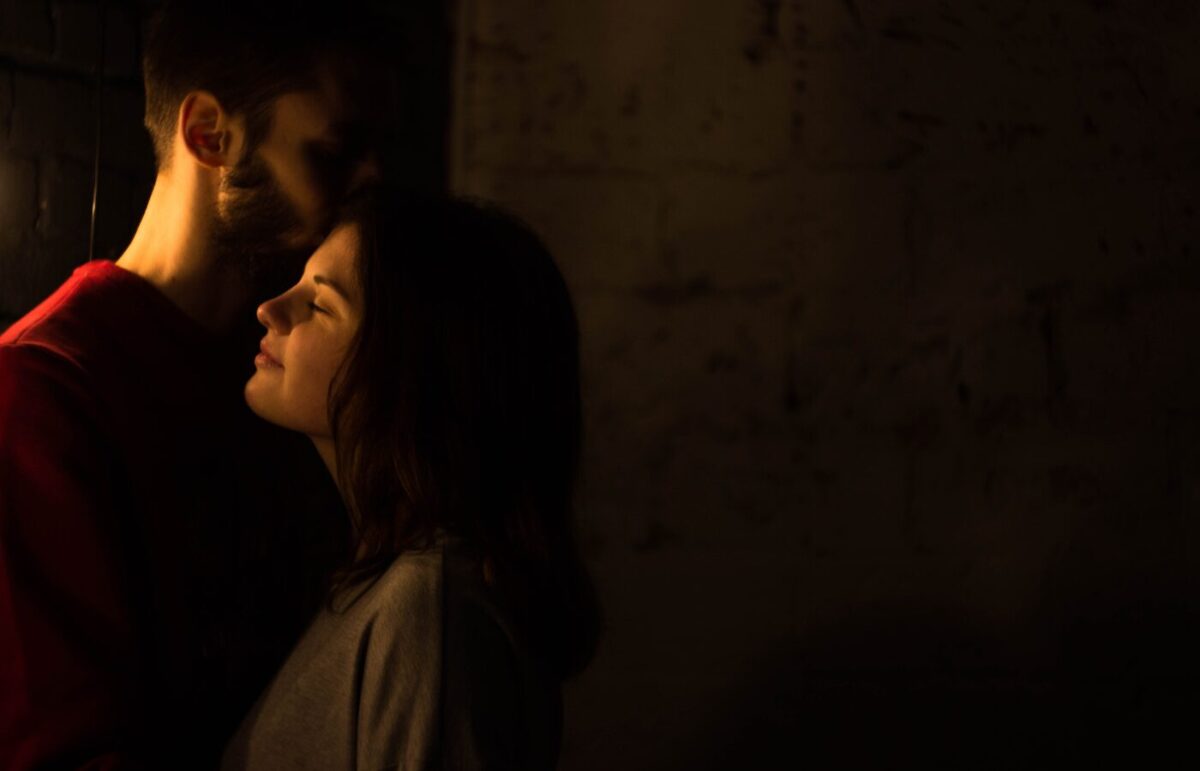
Even when someone knows they are being hurt, the hope for change, coupled with the fear of abandonment, keeps them tethered. In therapy, I often say it is not logic that binds you. It is biology and unmet childhood needs replaying themselves.
What role does shame play in keeping someone stuck, silent, or confused about their experience? How do you help clients gently confront and release that shame?
Shame is often the glue that holds toxic dynamics in place. It whispers, “It is your fault. You let this happen. You should have known better.”
This shame silences victims more than any external judgment.
In my practice, the first step is helping clients name what they have gone through, not with labels that reduce them but with language that empowers. I also help them separate who they are from what they survived. Shame thrives in secrecy. Healing begins in safe witnessing.
Your book does not just raise awareness. It offers tools. What is one small but impactful step someone can take if they suspect they are in an unhealthy dynamic?
A small but powerful step? Start journaling what you feel after interactions with this person. Not what they say, but how you feel in your body.
Do you feel anxious, foggy, ashamed, or small? Our bodies often sense toxicity before our minds catch up. This practice builds self-trust and creates a breadcrumb trail you can later reflect on, especially if you begin to doubt yourself.
What would you say to someone reading this who suspects they are in a relationship that feels a lot like love… but not? What is the first thing they should do, emotionally or practically?
First, know that you are not crazy, dramatic, or broken. If it feels confusing, that is a valid signal. Confusion is often a symptom of emotional manipulation.

Emotionally, give yourself permission to stop rationalizing the other person’s behavior and start validating your own feelings.
Practically, create a small pocket of safety, whether it is a friend you can talk to, a therapist (a better option any day), or even a private journal. You don’t need to have all the answers to start protecting your peace.
Vaishnavi’s words raise awareness, yes, but more importantly, they offer a way forward.
In a world that still romanticises emotional chaos and teaches us to mistake intensity for intimacy, her work is a reminder that love should not erode us.
If something feels off, confusing, or painful more often than not — even if it looks like love — it’s okay to pause, question, and walk away. Because healing doesn’t begin with answers, it begins with naming the truth.
And in doing so, we begin to rewrite what love really means. Starting with the love we offer ourselves.