
As a first-person essay, this does not require review by our team of Reviewers. Barring minor changes for grammar and sentence structure, we have kept the voice of the author intact.
Why? How? What?…
This is the stage when these questions are never-ending. The toddler, who was a curious explorer using their newfound “speaking” abilities, now becomes a curious investigator, inquisitor, and researcher. Every statement or explanation is met with a resounding “Why?” I still fondly recollect, as my kids became preschoolers (ages 3–6), the moments when I wanted to just tape their mouths shut for a few seconds of silence.
While they understand the concept of object permanence in the later part of infancy (6–12 months), understanding that the object itself can be hidden in multiple places or that a person can move around the home or step out for work or shopping is something they only start learning after 2 years of age. This understanding solidifies around the age of 5, forming the basis for the development of trust in care and authority figures in their lives.
When new faces feel scary
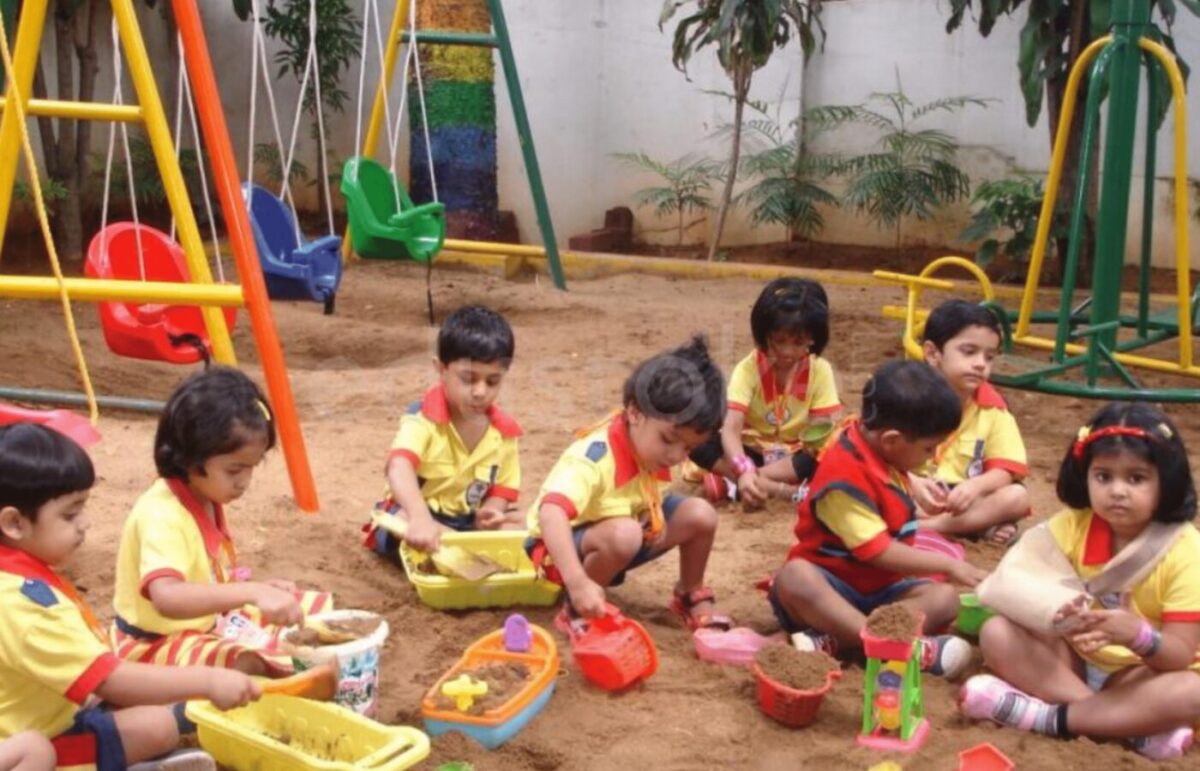
Stranger anxiety differs from separation anxiety. Here, the child is anxious not because of separation from a primary caregiver but due to the introduction of strangers or changes in routines/environments. This is common in preschool years, as children enter play school or nursery. However, in dual-income or single-parent families, stranger and separation anxiety can overlap, particularly if childcare begins before age 3.
Strategies to manage anxiety:
- Prepare children for changes in routines or environments at least a month in advance.
- Maintain consistent morning and night routines.
- Reassure children with hugs and clear affirmations of their safety and importance.
- Explain where you will be, why, and when you will return, and keep your word.
- Describe what to expect in new environments and identify safe individuals to contact for comfort.
- Allow a transition object (such as a soft toy or blanket) if permitted.
The nonstop chatter phase
As much as I had hoped my children would start speaking to help me understand and cater to their needs, which was difficult in infancy due to their limited language, by the time they were six, I wished they would just stop talking, so I could get a few minutes of silence. As they pick up language, they love to explore it by speaking nonstop. Of course, if a 5- or 6-year-old is silent, then it’s cause for suspicion because they are definitely into some mischief. Perhaps not harmful, but it may require a significant amount of cleanup, at the very least.
Mastering the potty
Many children develop daytime bladder control by the age of two, but they often need to be prompted to use the washroom. Each child develops differently. I’ve heard stories from mothers who potty-trained their children before their second birthday.
In my case, the potty-training milestone was different for both my children. The elder was trained at 2.5 years, while the younger one was between 4 and 5 years. And that is perfectly okay.
Another aspect to note is that bedwetting at this stage, especially at night, is perfectly normal if the child is wearing cloth underwear. Nighttime bladder control typically develops between 3.5 and 7 years of age, and its development varies among children.
Letting your children decide
While in the US, I participated in the “Parents as Teachers” program, which helps new parents become their child’s first teacher and encourages them to raise their children as readers.
One of the best pieces of guidance I received was to help children become decisive early in their foundational years. The simplest approach is to offer them limited options and let them make a choice.
This could be the dress they wear, the fruit they want as a snack, or the footwear for the park. Give two options; let them pick one. This builds a foundation for decision-making.

Additionally, I wanted to break the traditional Indian parenting mold, which mostly falls under “helicopter” or “authoritarian” styles. I chose to practice a ‘detached attachment’ – academically called a secure attachment style – which I picked up from my mother and grandfather.
Provide age-appropriate information, let them make a choice, and allow them to face the consequences, while still offering an emotional support system. Let them learn from safe experimentation and their failures.
Watching their personality bloom
This is also when you begin to see your child’s personality type forming. My firstborn, I thought, was an empath. She always knew when to comfort me or others in the family. Watching her with her baby brother was a pleasure.
Despite many international relocations, she was always comfortable making new friends. Of course, the frequent moves made it harder to build deep bonds until we moved back to India in 2018, where she’s stayed in one school since.
My second born was the savior champ. He would constantly question when something didn’t seem right. His teachers often said he comforted the underdog like the child who was missing a parent or caregiver.
If you observe, you’ll notice how your child’s core personality is taking shape. This doesn’t mean it’s permanent. They’re still young, and their traits will evolve.
Laying the foundations of trust
Trust begins with caregiver communication. From the time my child was 3 months old, I made a point to tell them where I was going and when I’d return, even for brief errands. I also identified their caregiver in my absence.
Despite puzzled looks from relatives, I continued this practice throughout their childhood. When planning a second child, I spoke with my firstborn in the second trimester, answering her questions and reassuring her that she wouldn’t be ignored.
Explaining that we had enough love to share helped us all grow together. Building trust early fosters long-term bonds.
Growth takes a new shape
By the age of six, as children enter primary school, the rapid development phase slows, giving way to the deeper formation of their self-image and self-worth. Parents transition from teachers to facilitators, guiding as needed and learning when to intervene or step back. Each generation faces unique challenges, requiring parents to adapt. I’ll explore their school life and these challenges in my next piece.