As the author is a mental health professional, this piece did not go through our usual review channels.
Welcoming a newborn to the family is always filled with joy and celebration, as it should be. This baby is now officially counted in the global population.
I fondly recollect my experience—as I walked into my home with my newborns (both times), I felt exhausted and excited at the same time. I’m sure many parents (not just mothers) will understand and are probably nodding in agreement now. Vaginal birth, C-section, or adoption—each comes with its own set of challenges that leave us exhausted—physically, mentally, emotionally, and often financially. Yet, as a parent responsible for nurturing a baby, excitement and anticipation for the future still find their way into our lives. The first six months after birth are nothing less than a rollercoaster, and parents learn to navigate and adapt as life unravels in new ways.
Tiny reflexes, big emotions
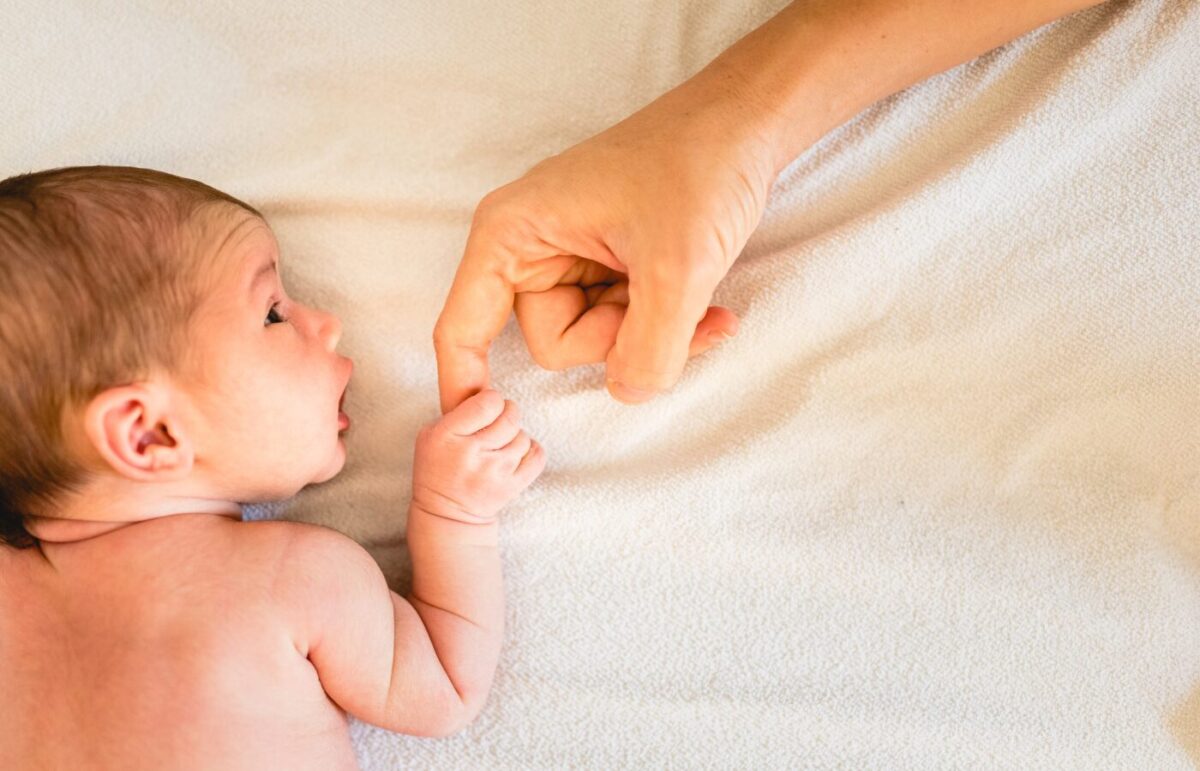
The most commonly known reflexes in a newborn are the Moro, sucking, rooting, and grasping reflexes. The Moro reflex is the startle response that babies give. While short-lived and varying in degree, seeing a baby startle can put caregivers on high alert, wondering if something is wrong. Unless someone is around to say this is normal, the mother’s body stays tense, which affects her recovery, regardless of delivery type.
In contrast, the grasping reflex is calming. Every time I touched my baby’s palm, she/he would clasp my finger tightly, and this would instantly calm me. If I had to explain it in scientific terms: oxytocin, one of the happy hormones, is released during this beautiful touch-and-grasp action.
The feeding dance: learning together
The rooting and sucking reflexes help the baby turn toward the nipple when stroked on the cheek and begin feeding. But not all babies do this effectively from the start. There’s a learning curve, which can be stressful, especially for a first-time mother. I remember wondering if I was even lactating, and what if there was no milk or not enough? Panic doesn’t help with lactation.
Thanks to my mother and spouse, who calmed my overactive imagination and nerves with hugs and affirmations, my child learned how to latch and feed within a week or two.
Until then, lactation wasn’t smooth. The demand-supply principle was something I saw at work in real life, and I was awed by the body’s mechanisms. Eventually, the baby also uses the same action to self-soothe, so mothers need to learn to distinguish between hunger and comfort sucking.
When heads wobble and hearts race
In the first three months, the baby’s neck needs to be supported to avoid injuries. The skull isn’t fully formed at birth and takes 12 to 18 months to close. So it’s important to protect the baby from head injuries—brain damage is a real risk. I used to get scared every time someone said they’d shake the traditional cloth cradle my son slept in. As a parent, your mind overthinks everything.

By the third month, babies usually lift their heads on their own, showing stronger neck muscles. Then they begin pressing down with their feet and pushing themselves up. This is the time to ensure they have a soft barrier so they don’t fall off a bed. In some homes, babies are placed on the floor with a thin mattress to reduce injury risk.
At 4–6 months, they roll onto their tummy and back. This leads to crawling, though some babies move backwards first before moving forward. SIDS (Sudden Infant Death Syndrome) is a leading cause of death among infants 1 month to 1 year old. One possible cause, as noted by researchers, is tummy sleeping. While tummy time when awake is fine, sleeping on the tummy during the first year should be avoided.
The myth of sleep
Sleep becomes a luxury when you don’t have a village to support you. I stayed at my mom’s after my first child’s birth because my spouse was posted to the USA just a month later. Babies’ sleep routines are erratic until 6–7 months. They need to be fed every 2–3 hours and changed after nearly every feed. Their digestive systems are still developing. Unless we nap when they nap, we can forget about being rested.
Because my spouse was in the US East Coast, I waited for him to wake up for a quick phone call before I slept. This meant restful sleep was non-existent. A full, uninterrupted 8-hour sleep is something that may not return until the child is at least a year old.
The bite of the first tooth
Teething typically starts around 6 months, though my firstborn had her first tooth at 5 months. Another adjustment—biting while feeding leaves bruises on the nipples. Add to that rashes, diarrhea, excessive drooling, and chewing on dirty hands from crawling. Comforting them is a full-time job. Sleep and silence disappear.
A flight into the unknown
As if all this weren’t enough, I decided to join my spouse in the US. I didn’t have the confidence to travel when my baby was 3 months, though my gynecologist and pediatrician said we were travel-ready. I waited until she was 5 months, so I’d only have one more month of exclusive breastfeeding before starting solids.

International travel with a baby exclusively on breastfeed isn’t easy. I still wonder how I managed that traumatic transatlantic journey. I landed in Washington, D.C., and my daughter jumped into her father’s arms. Once we got home, I slept for 18 hours straight. My spouse worried if I was alright. I vaguely remember waking up to feed and being fed by him. By the end of six months, I felt like a milk wagon. I was ready to start my child on external food, solid or semi-solid, hoping a full dinner would finally bring longer sleep stretches.
Healing while holding it all together
While all this is happening, the mother’s body is healing from pregnancy and delivery. A C-section is a major surgery, yet mothers are expected to walk by day two, use the bathroom, and feed their baby every 2–3 hours.
The postpartum period lasts up to 6–8 weeks. The uterus shrinks, hormones fluctuate, breasts engorge, hair falls, and exhaustion builds. Emotionally, many face postpartum blues, anxiety, or depression.
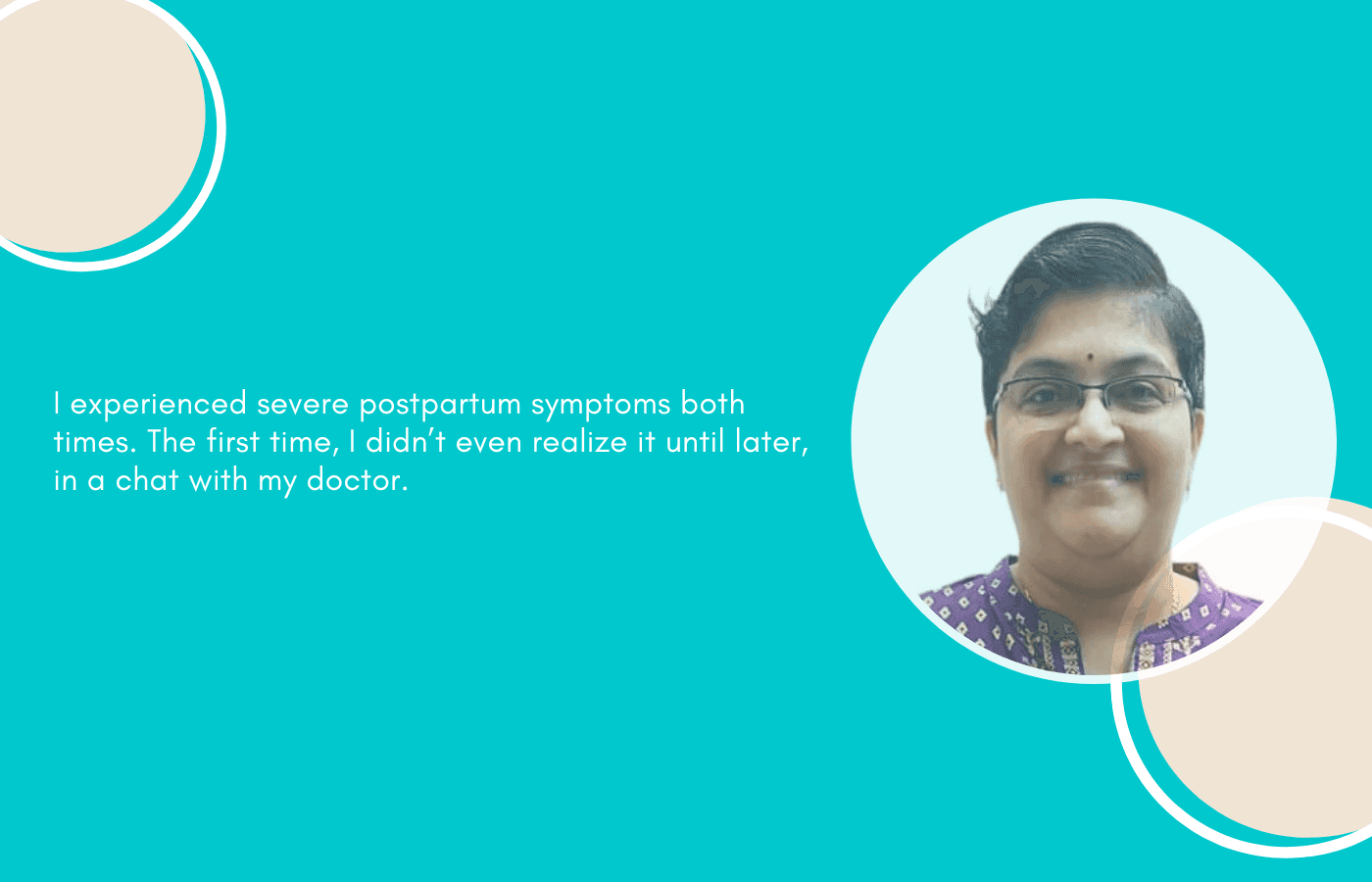
I experienced severe postpartum symptoms both times. The first time, I didn’t even realize it until later, in a chat with my doctor. The second time, we were more prepared but it was harder. My spouse was grieving his father’s death, and I was juggling two kids, trying to ensure my older one didn’t feel neglected.
Thankfully, we were in India, and I had more support. Still, seeking medical help took me over a year.
My family was in denial. “You’re aware of what’s happening,” they said. “You’ll be fine. It’s in your mind.”
This kind of dismissal is common in Indian homes, where stigma around mental health still runs deep.
Was it worth it? Every moment of it.
As I end this six-month chapter, it might seem like too much. And some may wonder: is parenting worth all this?
I’ve done it twice. And I wouldn’t change a thing.
Today, when I see my children becoming responsible young adults, I feel pride and peace. My spouse and I taught, supported, and learned from each other. We tried to lead by example. Our children learned not just from what we said, but from what we did. “Walk the talk” has always been our parenting motto. And it still is.
More in my next.