India is home to over 13 million single-mother households, according to a UN Women report. That’s 4.5% of all households – women parenting alone, balancing emotional labour, financial strain, and social scrutiny, often without the acknowledgment or systems of support they deserve. The number is large, but what’s far bigger is the silence around it.
We often celebrate single mothers as resilient and heroic – and they are.
However, in romanticizing strength, we often overlook the vulnerability, fatigue, and the harsh reality of what it takes to do it all without a backup plan.
Henna Misri is one of these women. But she’s not just holding the fort at home – she’s also leading from the front professionally. With over two decades of experience in communications and public relations, Henna has advised top political candidates, shaped luxury brand narratives, and now runs her own firm, Misri One. She’s known for her unfiltered honesty, sharp strategic mind, and the ability to juggle deadlines, doctor visits, and dinner menus – all in a day’s work.
This interview isn’t about the struggle of single parenting. It’s about the texture of it. The peaks, the troughs, the exhaustion that sits alongside the joy, and the sharp truth behind Henna’s remark: “Mental health is a joke for single parents.”
Here, she tells it like it is — not for applause, but for recognition. For solidarity. For the chance that another parent might read this and feel a little less alone.
Henna, you’re a single mother of two and the owner of a PR firm. What does a regular day in your life actually look like?
It is always a balancing act that includes work, chores about the home, acting as a driver one moment and a counselor the next, while trying to piece some content together for a client or comprehend a brief. My days replicate a sine wave many times over with ample peaks and troughs. Emotions always run high with frustration and elation existing simultaneously sometimes. It is a never-ending drama that usually culminates in a good night’s sleep with zero regrets and enough energy to start all over again the next day and the next.
You once said, “Mental health is a joke for single parents.” Can you unpack that — what did that moment feel like for you?
One reverberates each feeling of each one of their children, whether it is nursing a heartbreak, dealing with a difficult teacher, a physical injury, or delayed material gratification due to a lack of enough resources, and that takes a toll on emotional health.

With no one to share the failures and successes, highs and lows, it needs to be absorbed, processed, and addressed by the single parent, which is a herculean task. Amidst the process of raising two children to be mentally, emotionally, and physically healthy, one’s own mental health gets no attention or time and is always parked in the “DEAL LATER” box.
You also said, “As a single parent, you can’t be the bad cop ever.” How does that constant need to be the soft place impact you emotionally?
See the children of single parents deal with abandonment issues from the moment one parent walks away, so firstly, there is a need for extra empathy, love, care, and concern. In such a scenario, the parent who is left behind has to reinforce that they will always show up no matter what. There is so much parenting loss to be compensated for, that one cannot adopt an authoritarian disposition. There is, hence, no chance of playing a bad cop even when you are seething inside at something that the child has done.
Do you feel like you get any room to just feel — to break down, to pause — or are you always expected to just keep going?
No, that is a luxury a single parent cannot afford, especially when the children are younger. The multiple times when she wants to scream at some frustration or stay in bed due to a minor illness or hang out with friends, she can’t because two people are completely dependent on her. The picture is not as gloomy as it may sound because, being a mother, every little thing you do for your children eventually brings joy and limitless love. The reward of all the tough times is seeing confident, compassionate, and adorable little adults who you call your own.
What are some of the invisible pressures that people don’t see when they look at a single mother managing a business and a home?
Society has always been cruel to a mother because of the pre-defined role, and hence no one sees her in the capacity of an individual.
No one asks a single mother when was the last time she had fun or slept late, or went for a late-night movie, because they think she doesn’t need any of that.
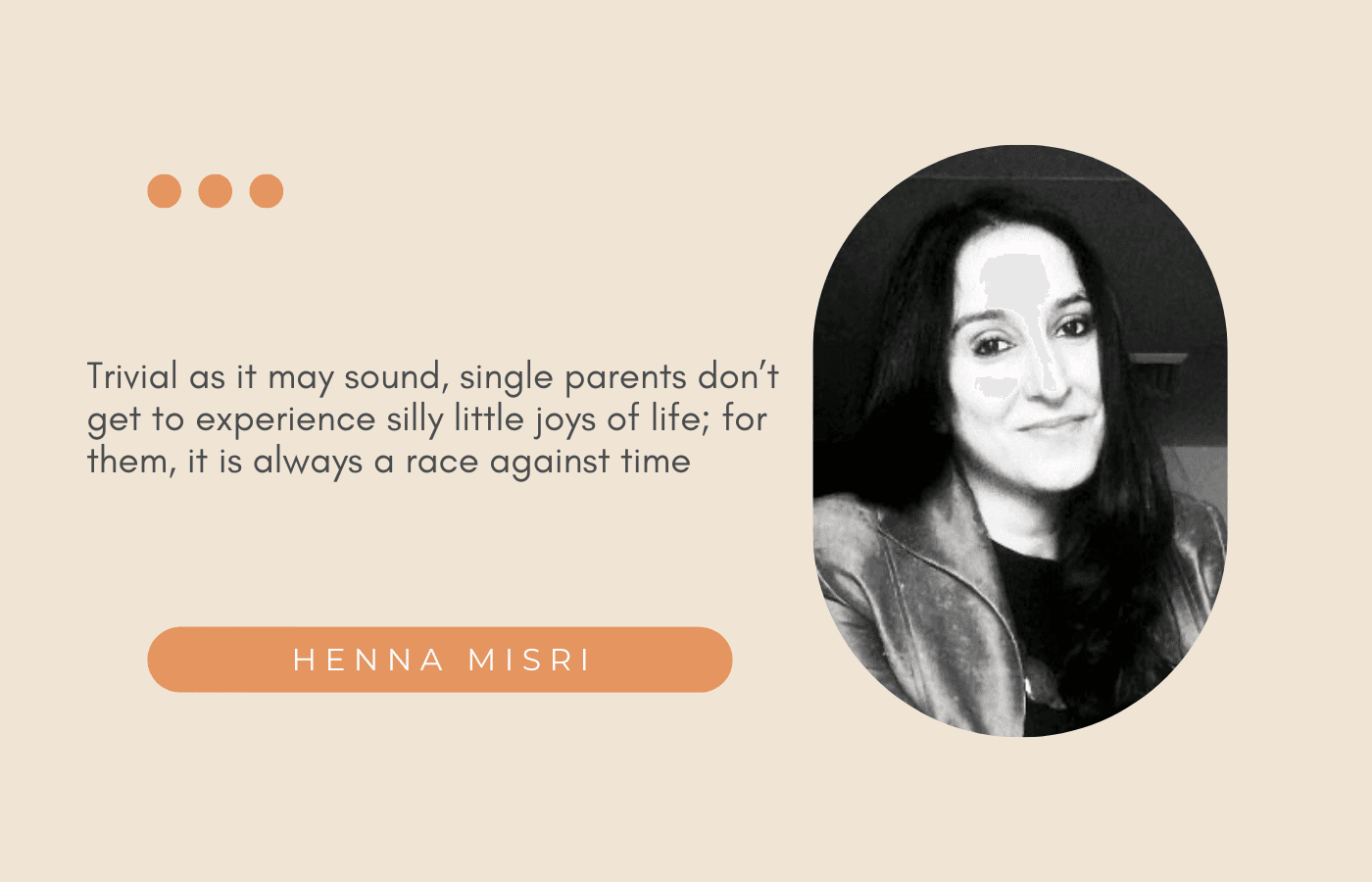
Trivial as it may sound, single parents don’t get to experience silly little joys of life; for them, it is always a race against time. The internalized guilt of putting themselves first once in a blue moon is nothing short of sacrilege.
As an entrepreneur and a single mother, have you ever felt the need to hide parts of your emotional reality to be taken seriously — and has that shaped how you show up professionally or how others perceive you?
Luckily for me, factors like living in an urbane environment and being raised a certain way have always made me proud of being who I am, including the ugly parts. I have always carried my emotions on my sleeve and found enough support from coworkers, clients, support staff, and extended family.
To be fair, being an emotionally charged single parent trying to tie many loose ends all the time, I have only received appreciation and awe, and have never been looked down upon.
What does self-care realistically look like for you these days – and within that, is there a habit or support system that helps you stay mentally grounded?
When my kids were younger, enough sleep was self-care; an elaborate bath was self-care, and reading the newspaper fully was self-care. However, as they grew and became thinking individuals, I take days off from fixing meals and order in, or stay up late to watch a movie.
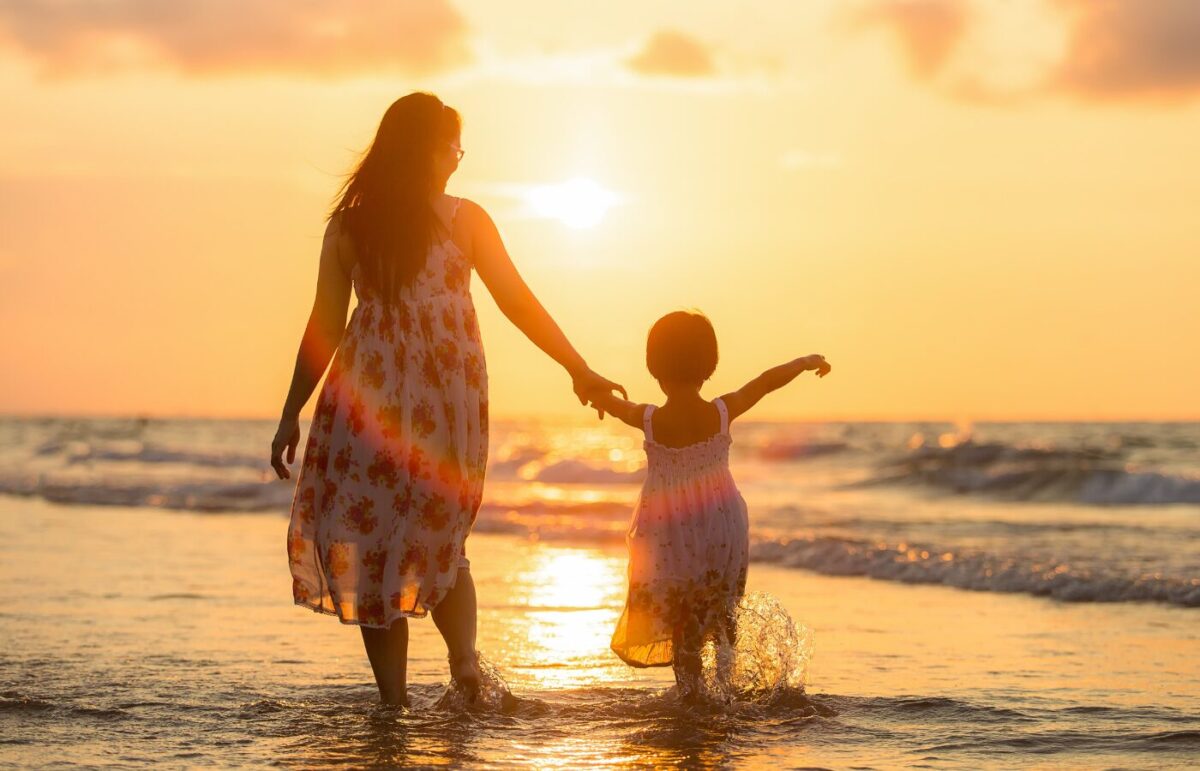
Sometimes, if the stars are favorable, I go out with friends for a drink. Jokes aside, putting a pattern or method to one’s self-care process/routine is not possible given the circumstances. A single mother has to steal moments from life to experience small joys that fuel her and keep her going.
What message would you want to share with other single parents — especially those struggling silently with their mental health?
First of all, get rid of the guilt and stop second-guessing yourselves. You are enough, you are present, and you are the one who stayed, and that in itself is outstandingly brave.
My mantra has always been to be very candid with my children and always tell them that your mother is a human being with many flaws of her own, because I think the idea of putting a mother on a pedestal only works against her.
By making yourself appear and be human, you leave room for errors, goof-ups, meltdowns, and messy emotions. The children then tend to be more compassionate and less judgmental, thereby reducing the stress of always being perfect.
What’s one thing you wish the world would finally understand about single mothers and mental health?
We are women before being mothers, and while we appreciate the gift of motherhood, we also want to do things and feel a certain way sometimes. The society as a whole needs to stop thinking that we don’t or should not have our own desires/wishes/mood swings because we do. I have often heard people say that a single woman needs nothing but her children, and that is absolutely incorrect.
Mental health takes a toll when a person is navigating the path of parenthood alone because it takes a village to raise a child.
We need support groups, a community, and we need friends and family to help us play this role. So my limited point is to pitch in to make her struggle less, share her burden, because an unhappy mother cannot raise happy kids.
Henna’s words remind us that single parenting isn’t just about doing everything alone; it’s also about holding everything together while carrying the invisible emotional load of two people. It’s about showing up again and again, relentlessly, unfailingly, even when your tank is empty.
She doesn’t ask for pity. She doesn’t want applause. What she offers instead is honesty—the kind that makes other single parents feel seen, and the rest of us rethink what support should really look like.
Because sometimes the strongest thing a mother can do is say, “I’m human too.”
Note: Pictures in this article are representative and not related to the author.